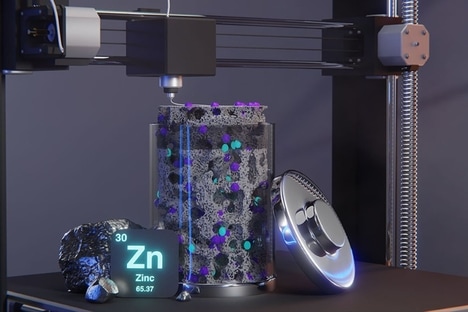

3D-printed flow batteries are making long-duration energy storage more accessible by reducing the cost and complexity of developing flow battery technology. Researchers at Queen's University Belfast have created a low-cost, 3D-printed iron flow battery cell that can be produced for a fraction of the cost of conventional research systems. The design not only supports iron-based chemistry as an alternative to more expensive battery materials, but also introduces standardized testing methods that enable research groups worldwide to compare results using the same battery platform. This approach aims to accelerate the development of reliable grid-scale energy storage for renewable power.
For businesses, lower-cost battery development tools can reduce research expenses and shorten the path from laboratory testing to commercial deployment. Standardized battery platforms also improve collaboration between research institutions and industry, making it easier to validate new technologies and scale manufacturing. As demand for long-duration energy storage grows, affordable and reproducible battery designs could help accelerate commercialization across the clean energy sector.
Image Credit: Queen's University Belfast
What's Driving This Trend
- 3d-printed Energy Storage
- Additive manufacturing lowers prototyping costs for advanced battery cells, creating room for faster experimentation and more accessible grid-storage development.
- Standardized Battery Testing
- Shared testing platforms improve comparability across labs and companies, reducing validation barriers for emerging long-duration storage technologies.
- Iron-based Battery Chemistry
- Abundant material alternatives to lithium and vanadium reshape cost structures for stationary energy storage and support more resilient clean energy supply chains.
Who This Affects Most
- Renewable Energy
- Affordable long-duration storage strengthens the reliability of wind and solar power, expanding commercial potential for renewable-heavy grid systems.
- Advanced Manufacturing
- 3D printing enables low-cost production of specialized battery components, opening new roles for manufacturers in clean technology prototyping and scale-up.
- Utilities
- Grid operators benefit from lower-cost storage innovation as renewable integration, peak management, and infrastructure resilience become increasingly central to utility planning.