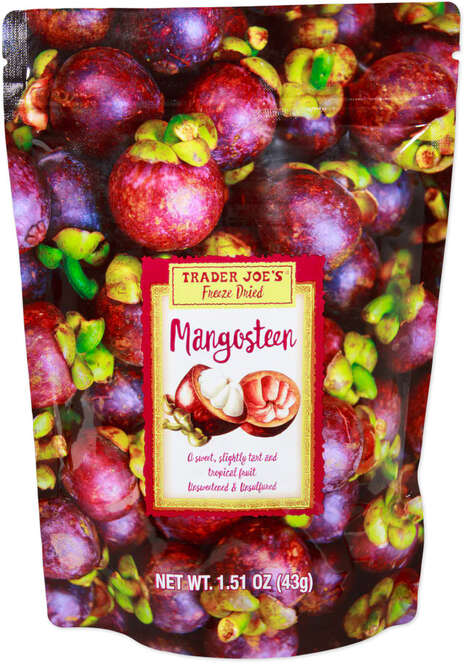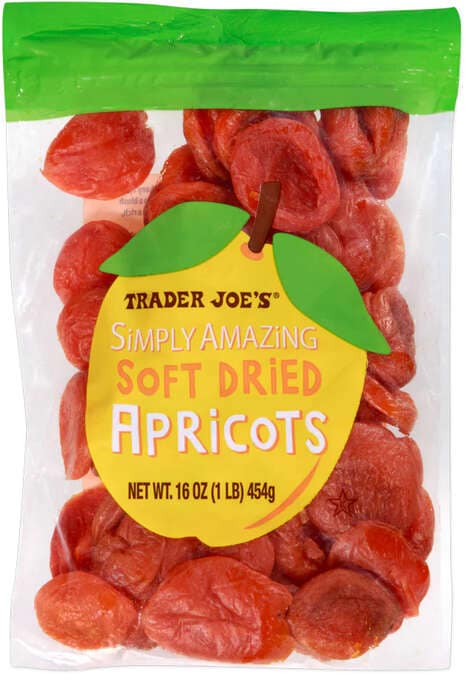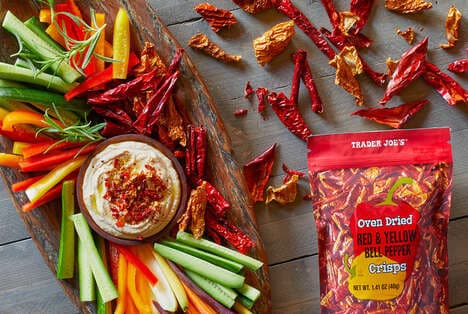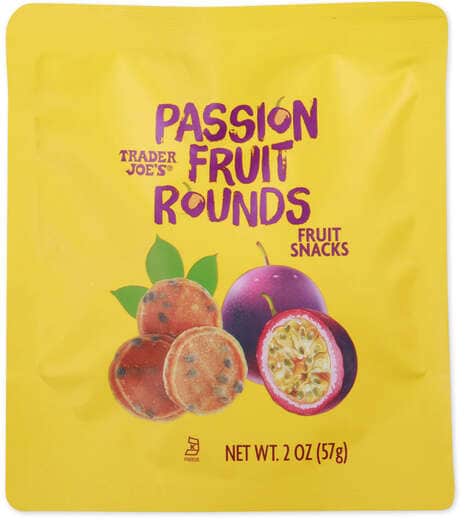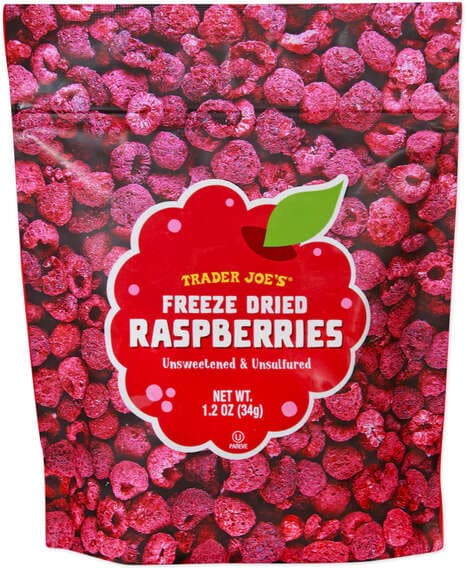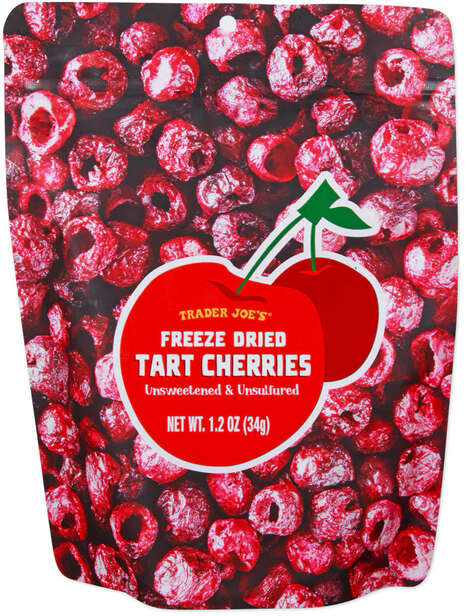
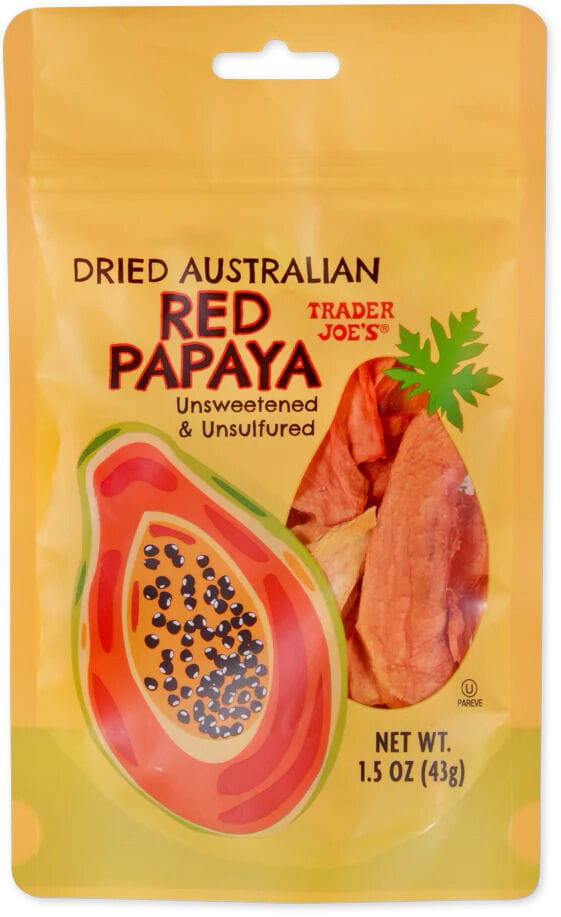
Move over dried mango because Trader Joe's has just unveiled everyone's favorite new dried fruit snack obsession: Dried Australian Red Papaya.
Red papaya trees are a staple of the landscape in Australia and it is specifically the warm, tropical climate of North Queensland where Trader Joe's has sourced its papaya from. Working with a supplier in the region, ripe red papayas are selected and dried until they achieve the perfect texture and sweetness. Because Trader Joe's chooses red papayas instead of their yellow-fleshed counterparts, the fruit is sweet enough that no extra sugar needs to be added.
As for how to enjoy Dried Australian Red Papaya, the brand suggests adding them to your morning yogurt, chopping them up to make homemade trail mix, or simply enjoying them straight out of the bag.
Image Credit: Trader Joe's
What's Driving This Trend
- Dried Red Papaya Consumption
- Exploring the growing consumer demand for unconventional dried fruit snacks like Trader Joe's Dried Australian Red Papaya.
- Tropical Fruit Sourcing
- Leveraging unique regional sourcing methods, such as North Queensland, for premium dried fruit options like red papaya.
- Natural Sweetness Trend
- Embracing the preference for naturally sweet fruits like red papaya to eliminate the need for additional sugars in snacks.
Who This Affects Most
- Food Retail
- Opportunities for retailers to introduce innovative dried fruit products like Trader Joe's Dried Australian Red Papaya in response to shifting consumer preferences.
- Agriculture
- Potential for agricultural regions like North Queensland to enhance their presence in the dried fruit market by specializing in unique fruits such as red papaya.
- Healthy Snacks
- The healthy snack industry can capitalize on the trend of natural sweetness by offering more dried fruit snack options without added sugars, like dried red papaya.