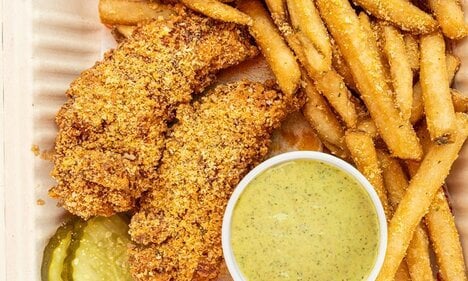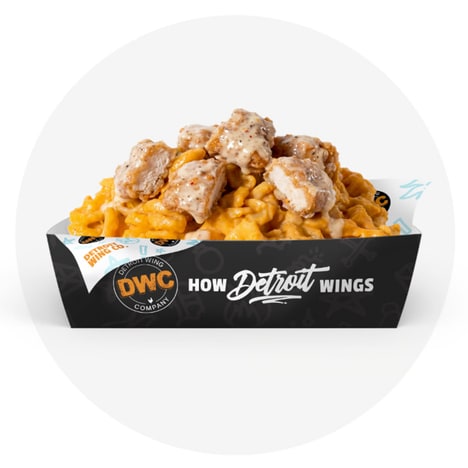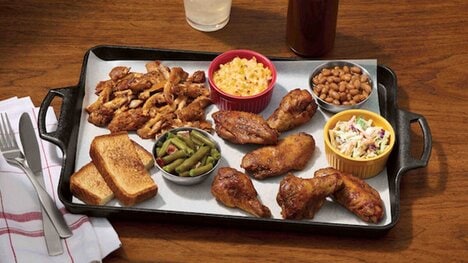
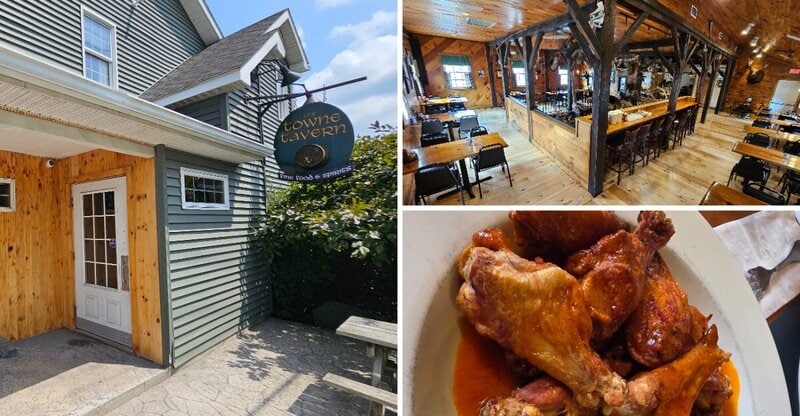
Towne Tavern turns a familiar bar snack into something richer by giving its wings two passes in the kitchen. The New York tavern first smokes them, then fries them, adding depth before the crisp finish that keeps them moving off the tables.
The wings are part of an American menu that leans into BBQ, so the smoke makes sense as more than a gimmick. That extra step also helps explain why the dish stands out from standard fried wings and why it keeps getting ordered back at the table.
For diners, this means a wing order that feels more layered than the usual one-method version. It also raises expectations for tavern kitchens that want to turn a classic appetizer into a signature draw without altering the format people already know.
Image Credit: Fast Food Club
Key Themes Behind This Trend
- Hybrid Cooking Methods
- Layering smoking, frying, grilling, or roasting techniques gives familiar menu items added texture and flavor depth while preserving the formats diners already recognize.
- Elevated Bar Snacks
- Classic appetizers are becoming signature revenue drivers as taverns and casual restaurants use premium preparation cues to differentiate high-volume comfort foods.
- Smoke-forward Comfort Foods
- BBQ-inspired flavor profiles are expanding beyond traditional smoked meats, creating space for craveable snacks that deliver richer sensory experiences in casual dining settings.
Where This Applies
- Casual Dining
- Restaurants in this category can stand out by turning standard shareables into distinctive house specialties through small but memorable culinary upgrades.
- Foodservice
- Operationally simple preparation enhancements, such as pre-smoking before final cooking, create differentiation without requiring entirely new menu architecture.
- Bar and Tavern
- Flavor-forward appetizers support repeat ordering and social dining occasions, making them valuable tools for venues competing on both drinks and food quality.