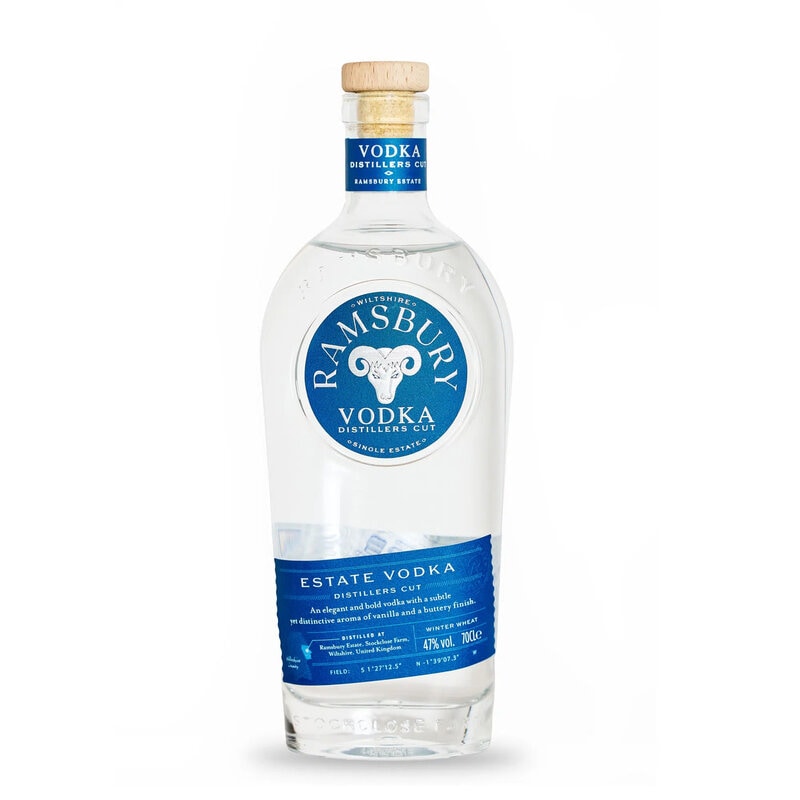
Ramsbury Spirits introduced Distillers Cut Vodka, a limited single-estate expression produced from Bamford winter wheat grown on the Ramsbury Estate. Distilled five times and bottled at 47% ABV, the release is designed to deliver greater texture and character than the producer’s core vodka expressions.
The release is limited to 150 individually hand-numbered 700ml bottles and is available through the distillery’s website for £47. Ramsbury describes the vodka as having notes of caramel, vanilla and pear drops, followed by seasoned oak and wildflower honey. The brand uses a grain-to-glass production model, with field coordinates printed on bottles, while the distillery operates using biomass and solar energy within a closed-loop farming system.
Buyers also receive membership to Ramsbury’s Distillers Club, including early access to releases, tastings and quarterly discounts. The launch highlights growing interest in traceable, small-batch spirits with strong provenance.
Image Credit: Ramsbury Spirits
What's Driving This Trend
- Single-estate Spirits
- Provenance-rich bottles tied to specific fields create premium positioning around terroir, traceability, and agricultural storytelling in categories once defined mainly by neutrality.
- Limited-run Vodka
- Scarce, hand-numbered releases add collectability and urgency to vodka, expanding its role from everyday spirit to high-margin connoisseur product.
- Closed-loop Distilling
- Sustainable production systems powered by biomass, solar energy, and farm integration give distillers new ways to differentiate through environmental transparency.
Who This Affects Most
- Craft Spirits
- Small-batch producers are reshaping competition by pairing distinctive flavor profiles with direct-to-consumer access and membership-based loyalty programs.
- Luxury Alcohol
- Premiumization is moving beyond aged spirits as elevated vodka expressions use exclusivity, packaging details, and sensory complexity to justify higher price points.
- Sustainable Agriculture
- Farm-based production models connect crop origin, renewable energy, and circular resource use, opening space for agriculture to become part of consumer-facing brand value.