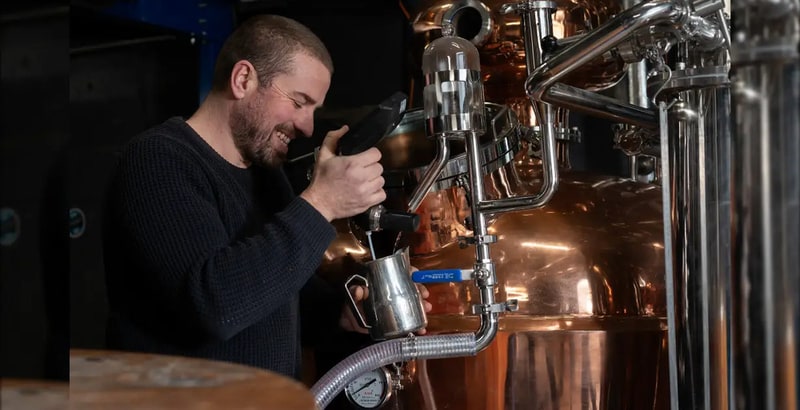
Grasmere Distillery in England’s Lake District is taking a fully localized approach to whisky production by growing, malting and processing its own barley on-site in partnership with nearby farms. By using Cumbrian-grown grain, local water and small-scale equipment, the distillery is working toward creating a spirit that reflects the distinct character of its region. This hands-on process also allows for greater control over quality and variation, with each batch shaped by local conditions and harvest differences.
This model supports premium positioning through authenticity and traceability. It enables distilleries to differentiate themselves in a crowded market by emphasizing origin and craftsmanship. Working closely with local suppliers can also strengthen regional economies while appealing to consumers who value transparency and sustainability. As demand for place-based products grows, similar approaches could expand across the spirits industry and beyond.
Image Credit: Grasmere Distillery
Key Themes Behind This Trend
- Hyper-local Spirits
- Localized grain-to-bottle production creates provenance-driven whiskies that can command premium pricing and distinct regional identities.
- Terroir-driven Marketing
- Growing consumer interest in origin narratives supports spirits positioned around micro-terroir variations and batch-specific storytelling.
- On-site Vertical Integration
- Small-scale malting and processing co-located with farms and distilleries allows tighter quality control and greater product differentiation across harvests.
Where This Applies
- Craft Distilling
- The craft distilling sector can pivot toward fully traceable, place-based portfolios that reframe value around regional authenticity and batch uniqueness.
- Agricultural Contracting
- Farm-to-distillery partnerships introduce premium contracting models where specialty barley varieties and bespoke malting services become high-value crops.
- Luxury Food and Beverage Retail
- Retailers focused on luxury goods may curate micro-regional spirits assortments that emphasize provenance and exclusive, limited-run releases.