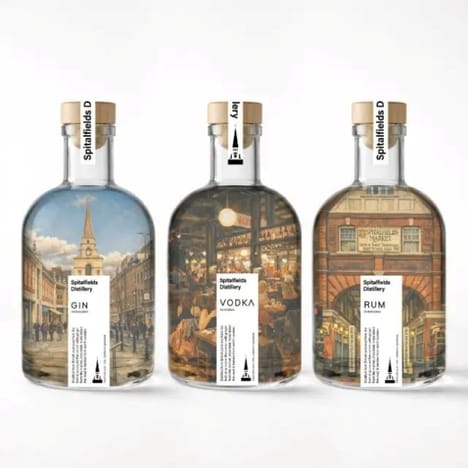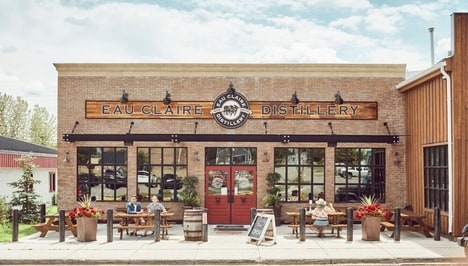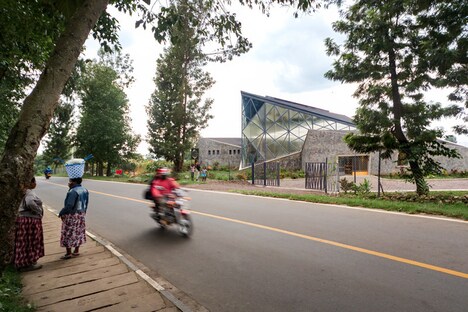
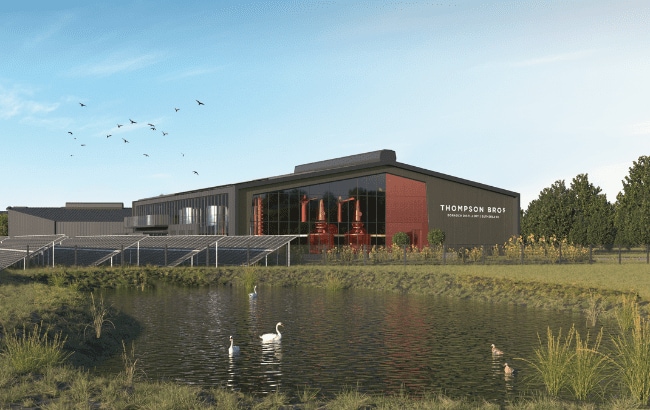
Struie Distillery, a new project from the Thompson brothers behind Dornoch Distillery Company, launched a carbon-neutral whisky site in Dornoch, Scotland, featuring renewable power systems such as solar arrays, thermal energy storage and high-efficiency heat pumps. The project secured up to £1.57 million from Highlands and Islands Enterprise to underwrite the energy-efficiency elements of construction and build integrated production infrastructure.
The facility was designed to produce up to 400,000 litres of pure alcohol per year, include on-site bottling and warehousing and host a visitor centre targeting roughly 15,000 annual visitors.
For consumers and the wider Scotch sector, the distillery demonstrates a practical route to electrified net-zero production using market-ready technologies, promising lower operational carbon and a scalable model for greener spirits manufacturing.
Image Credit: Struie Distillery
What's Driving This Trend
- Electrified Distillation Systems
- The shift from fossil-fueled boilers to high-efficiency heat pumps and electric heating opens pathways for modular, low-emission distillation units that reduce onsite carbon and simplify regulatory compliance.
- On-site Circular Energy
- Integrated solar arrays paired with thermal energy storage create potential for distilleries to operate as energy-positive nodes that balance production loads and provide grid services.
- Carbon-neutral Heritage Tourism
- Combining sustainability-certified production with visitor experiences suggests new premium visitor models where provenance and low-carbon credentials become core value propositions.
Who This Affects Most
- Spirits Manufacturing
- Adoption of electrified, energy-efficient process technologies presents scope for rethinking plant layouts and scaling boutique-to-industrial production with lower operating emissions.
- Renewable Energy Equipment
- Demand from carbon-focused food and beverage sites drives innovation in heat-pump designs, thermal storage solutions, and integrated control systems optimized for industrial heat profiles.
- Sustainable Packaging and Logistics
- Onsite bottling combined with lower-carbon operations enables new logistics models that prioritize local distribution, lightweight sustainable materials, and bundled carbon reporting.