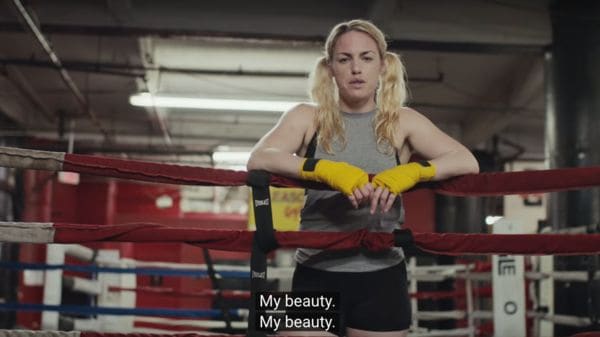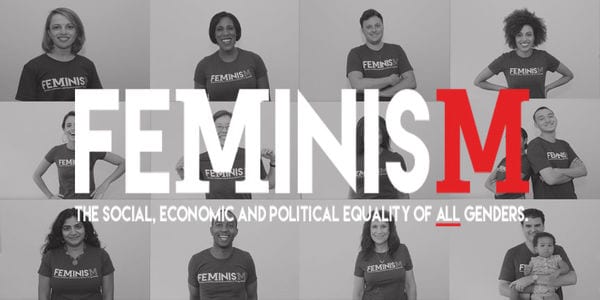
'#MyFeminismIs' is a new campaign that aims to expand the definition of feminism and make the term more inclusive. While many women and men openly identify as feminists, some find the term alienating. This initiative aims to change the conversation and show people that feminism can be for everyone.
The #MyFeminismIs campaign was launched by the 'Ms. Foundation' as part of an effort to expand the definition of feminism. According to the Ms. Foundation website, the new campaign is intended to "paint a broad, inclusive and intersectional picture of the Feminism as we continue to challenge and change the conversation around equal rights." To convey this message, users are encouraged to share their thoughts about the term along with the hashtag '#MyFeminismIs.'
By encouraging men and women from all backgrounds to discuss the meaning of feminism, the campaign hopes to make the term more inclusive.
Key Themes Behind This Trend
- Intersectional Feminism
- The #MyFeminismIs campaign aims to expand the definition of feminism by promoting intersectionality and inclusivity.
- Gender Equality
- The campaign advocates for gender equality and raises awareness of the importance of feminism in achieving it.
- Social Activism
- The #MyFeminismIs campaign creates a platform for social activism by encouraging people from all backgrounds to discuss the meaning of feminism.
Where This Applies
- Non-profit Organizations
- Non-profit organizations can leverage the #MyFeminismIs campaign to advance their mission by advocating for gender equality and inclusivity.
- Marketing and Advertising
- Marketing and advertising industries can benefit from incorporating intersectionality and inclusivity in their campaigns to appeal to diverse audiences.
- Social Media Platforms
- Social media platforms can integrate features that promote inclusivity and social activism to support campaigns like #MyFeminismIs.