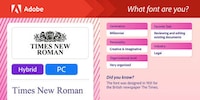
After 14 years of using the same default font, Microsoft plans to undergo a change. Years ago, Calibri replaced the classic Times New Roman, and once again, the tech giant is ready for a change.
This time around, Microsoft is leveraging public engagement to make the change, asking the public to vote for their favourite font. A tweet reading “We need to talk. What should our next default font be?” from the company was published, accompanied by five images. Each font was commissioned by a different designer, and include Tenorite (Erin McLaughlin and Wei Huang), Bierstadt (Steve Matteson), Skeena (John Hudson and Paul Hanslow), Seaford (Tobias Frere-Jones, Nina Stössinger and Fred Shallcrass) and Grandview (Aaron Bell).
Image Credit: Microsoft
What's Driving This Trend
- Public-engagement Innovation
- Microsoft's decision to involve the public in choosing its next default font presents an opportunity for other companies to leverage public opinion in product design decisions.
- Improving User Experience
- The trend towards changing default fonts highlights the importance of improved user experience, presenting opportunities for companies to make design decisions that enhance user engagement and satisfaction.
- Designer Collaboration
- The use of different designers for each of the new fonts in Microsoft's selection process demonstrates a collaborative approach to design, presenting opportunities for companies to engage with multiple design perspectives for better products.
Who This Affects Most
- Technology
- The trend towards changing default fonts is particularly relevant for technology companies, as they seek to improve user experience through better design decisions.
- Typography
- The selection process for Microsoft's new default font presents opportunities for typography industry professionals to showcase their skills and collaborate on innovative design solutions.
- Graphic Design
- The collaboration between designers on Microsoft's selection of a new default font highlights the value of creative collaboration, presenting similar opportunities for graphic designers to work together on disruptive design innovations.