Bioenergy Life Science (BLS), an ingredient supplier specializing in nutraceutical components, is adopting decentralised clinical research models to help brands generate finished-product evidence more cost-effectively. With this, the company hopes to address both increasing regulatory expectations for substantiated health claims and the high costs associated with traditional site-based contract research organization studies.
Bioenergy Life Science's decentralised clinical research model replaces conventional in-clinic trials with remote studies where participants evaluate ingredients and finished products in their everyday environments and produce data that better reflects real-world product use. This approach simultaneously reduces study expenses.
Bioenergy Life Science recently completed a 30-day decentralised pilot study of its NAD+-boosting ingredient RiaGev-WS, involving participants aged 40-59 who continued their normal daily routines.
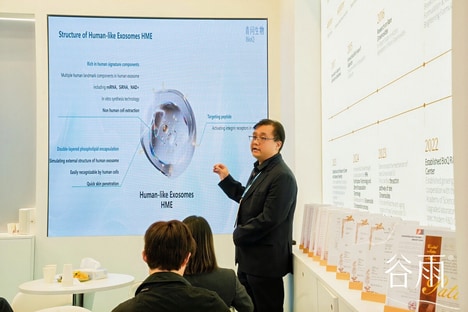
Image Credit: Bioenergy Life Science
What's Driving This Trend
- Decentralized Product Trials
- Remote research models are reshaping how nutraceutical brands validate finished products by lowering study costs while capturing real-world consumer use data.
- Real-world Health Evidence
- Everyday-environment data is becoming more valuable as regulators and consumers expect health claims to reflect authentic product experiences.
- Cost-efficient Claim Validation
- Lean clinical study formats create room for smaller wellness brands to generate substantiated claims without relying on expensive site-based trials.
Who This Affects Most
- Nutraceuticals
- Ingredient suppliers and supplement brands can benefit from decentralized evidence models that support faster, more affordable product substantiation.
- Clinical Research
- Contract research providers face pressure to modernize study design as remote participation and digital data collection redefine trial economics.
- Digital Health
- Connected platforms and remote monitoring tools are increasingly central to collecting consumer health outcomes outside traditional clinical settings.