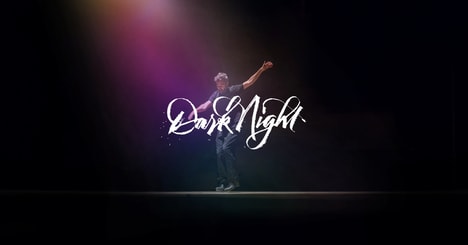
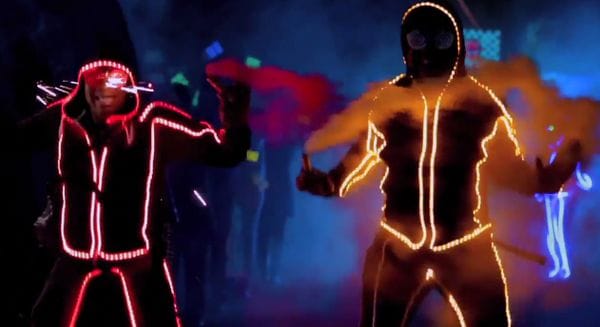
The 2008 Paralympics may have come and gone, but the inspiring videos of the 320 hearing-impaired and deaf dancers who performed the 'Hello Stars' dance in Beijing will continue to live on.
Learning choreography without being able to hear the music is a challenging endeavor. The deaf dancers that performed at the 2008 Paralympics practiced with visual cues until they could 'feel' the music.
For hearing-impaired and deaf dancers, the Paralympic Games were just another performance in an already-packed tour calendar. For example, the China Disabled People's Performing Art Troupe is in the middle of a 28-show whirlwind tour of Asia before embarking on a two-week journey to the United States.
Without the global exposure the Paralympics provides, however, there wouldn't have been an audience for these talented deaf dancers.
Why This Trend Is Growing
- Deaf-performed Shows
- There is an opportunity to create more platforms for deaf performers to showcase their talents.
- Visual-based Choreography Learning
- There is an opportunity for technology that can help deaf dancers learn choreography through visual cues.
- Increased Representation of Deaf People in Entertainment Industry
- There is an opportunity to increase the presence and representation of deaf people in film, TV, and music.
Industries Being Reshaped
- Entertainment
- There is an opportunity for the entertainment industry to create more opportunities for deaf performers and showcase their talents.
- Technology
- There is an opportunity for the technology industry to develop tools for choreography learning that are visual-based.
- Film and TV Production
- There is an opportunity for film and TV production companies to increase the representation of deaf actors and characters in their productions.