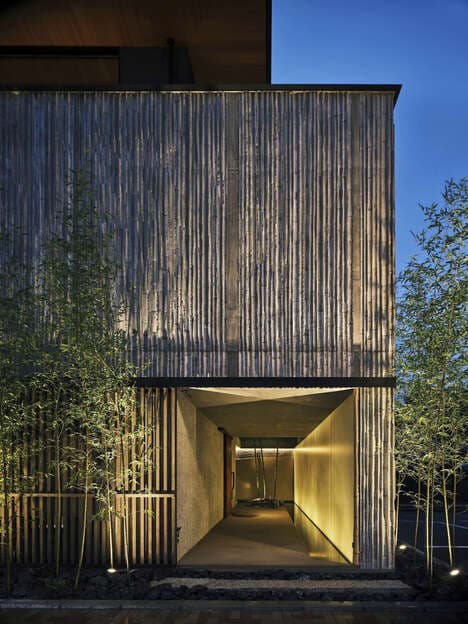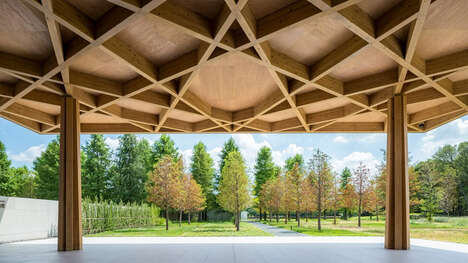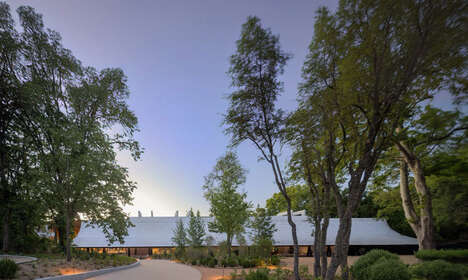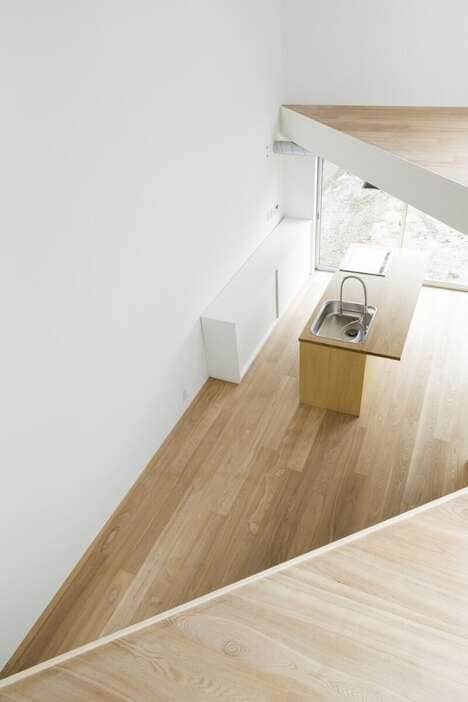
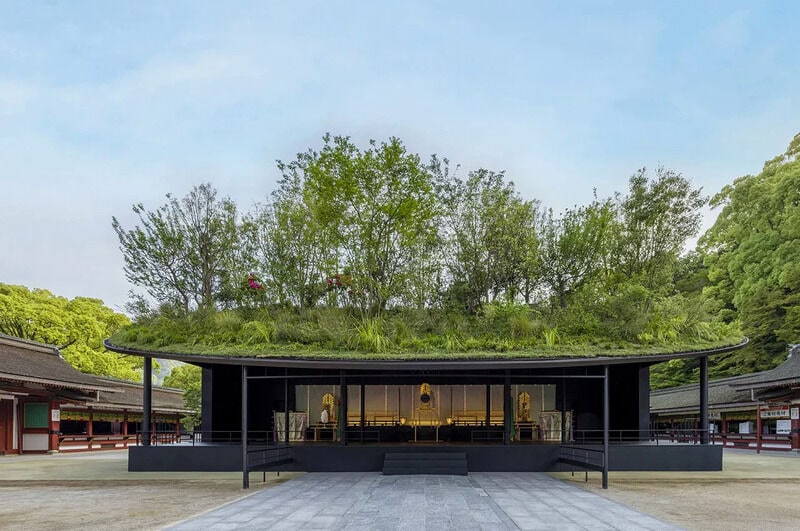
The Dazaifu Tenmangu Shrine is a historic building located in Southern Japan's Fukoika. It is 1100 years old and now gets a temporary new hall designed by Sou Fujimoto. It boasts a minimal design language with a black color palette complete with a floating forest along the oval roof. It also has a flying plum tree and sacred textiles that are meant only to be seen by a deity.
The new hall is a contemporary angle of a traditional design -- the aforementioned textiles are designed by a Japanese fashion brand Mame Kurogouchi and then crafted by Kyoto artisans. Fujimoto notes “With this project, we were faced with the important question of how modern architecture can respond to a history of 1,100 years. We thought about the rich nature that surrounds Dazaifu Tenmangu and the traditions of the shrine – and approached the design with a conscious desire to pass these onto the future. We started this over two years ago. It was a challenge creating a temporary building that is both traditional and modern, while also continuing into the future. It’s very simple but it carries a long, important history.”
Image Credit: Sou Fujimoto
Why This Trend Is Growing
- Minimalistic Shrine Design
- There is an opportunity for architects to incorporate minimalistic design language into the traditional architecture of historic buildings.
- Contemporary Architectural Approaches
- There is an opportunity to embrace contemporary architectural approaches while still respecting the history and traditions of a historic building.
- Collaborative Artistry
- There is an opportunity for fashion brands and artisans to collaborate on the design of textiles and other decorative elements in historic buildings.
Industries Being Reshaped
- Architecture
- Architects can explore ways to incorporate minimalist design elements into historic buildings without sacrificing their historical significance.
- Fashion
- Fashion brands and artisans can collaborate with architects to design and implement textiles and other decorative elements in historic buildings.
- Heritage Tourism
- Heritage tourism companies can capitalize on the combination of modern and traditional elements in historic shrine expansions to attract visitors looking for unique cultural experiences.