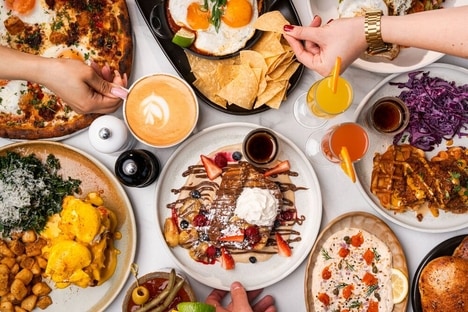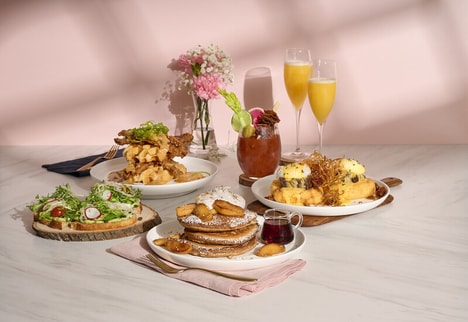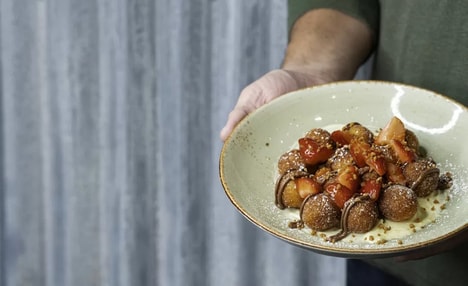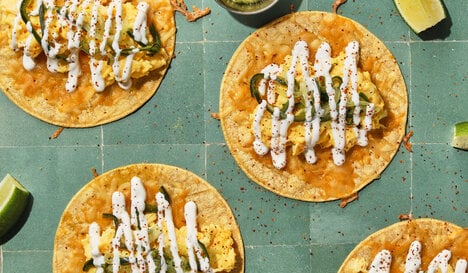
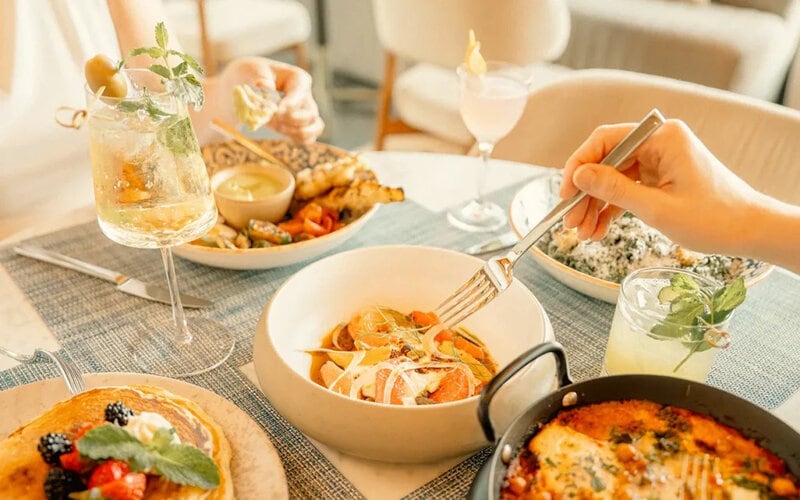
Anise is expanding its role at The Drey Hotel with a revamped food and drink program that lets guests move from morning coffee to after-work cocktails without changing venues. Led by Culinary Director Eduardo Osorio and Executive Chef Rene Deleon, the Dallas restaurant now serves as an all-day neighborhood stop rather than a single-meal destination.
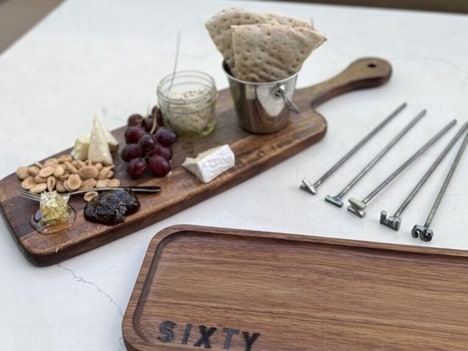
'Morning Mezze' pairs a seven-minute egg with green hummus and focaccia, giving breakfast a more savory, sit-down feel. At night, the 'Texas Ranger' folds bourbon and roasted pineapple puree into the mix, pushing Anise closer to a relaxed cocktail bar than a cafe with extra hours.
For diners, this means one Dallas address can cover a coffee meeting, a midday meal, and drinks later on. Restaurants built around a single daypart now compete with a place designed to stay useful from the first cup to the last round.
Image Credit: Anise
What's Driving This Trend
- All-day Dining
- Restaurants that fluidly span breakfast, lunch, and evening service create new revenue potential by turning single-occasion venues into continuous-use neighborhood hubs.
- Savory Breakfast Experiences
- Morning menus with mezze, eggs, hummus, and artisan bread signal a shift toward more elevated sit-down breakfasts that compete with traditional cafe formats.
- Cafe-to-cocktail Concepts
- Hybrid spaces that transition from coffee service to craft cocktails blur category boundaries and give hospitality operators more ways to capture changing guest needs throughout the day.
Who This Affects Most
- Restaurant Hospitality
- Full-service operators are rethinking daypart specialization as flexible menus and atmospheres help one location serve multiple dining occasions.
- Hotel Dining
- Hotel restaurants with all-day appeal can become local neighborhood destinations rather than amenities used mainly by overnight guests.
- Beverage Service
- Coffee programs and cocktail menus housed under one concept expand beverage-led visitation across morning, afternoon, and evening traffic patterns.