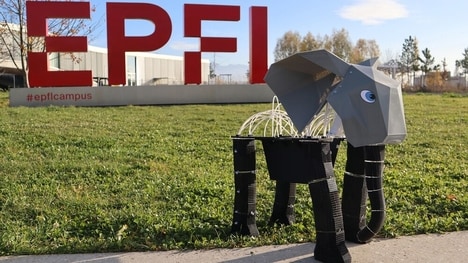
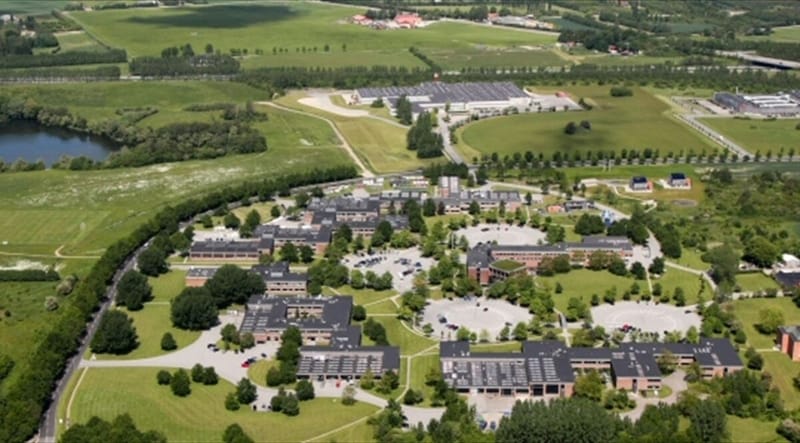
The Danish Technological Institute (DTI) and its partners developed a 3D-printed “smart skin” for space robots, featuring integrated sensors, embedded electronics and structures designed to support thermal management, dust protection and human-robot interaction. Funded by the European Space Agency, the project builds on earlier research and was carried out with PIAP Space, Redwire Space and Admatis.
The team used additive manufacturing and computational design techniques, including compliant mechanism synthesis, to create flexible scaffold structures tailored for robotic applications. The printed skin also enabled customized routing of power and data lines while incorporating sensors to support robot motion control and durability.
For robotics developers, the project demonstrates how additive manufacturing can combine structural, electronic and protective functions within a single component. DTI also highlighted potential terrestrial applications, including robotics for agriculture, electronics recycling and other harsh environments, underscoring the broader potential of 3D-printed functional components beyond space missions.
Image Credit: The Danish Technological Institute
What Makes This Trend Stand Out
- 3d-printed Smart Skins
- Integrated sensing, wiring and protective structures are turning robot exteriors into multifunctional platforms for harsh-environment autonomy.
- Embedded Robotic Electronics
- As electronics move inside structural components, manufacturers gain opportunities to reduce assembly complexity while improving durability and customization.
- Computationally Designed Compliance
- Flexible scaffold architectures created through computational design enable robots to absorb stress, manage motion and adapt to irregular operating conditions.
Sectors Adopting This
- Space Robotics
- Space exploration systems benefit from lightweight components that combine thermal control, dust resistance and human-robot interaction in a single printed layer.
- Additive Manufacturing
- Advanced printing methods are expanding beyond prototyping into functional production of parts that merge mechanical, electronic and environmental protection roles.
- Agricultural Automation
- Robots operating in soil, dust and weather-exposed settings can use smart protective skins to improve sensing reliability and equipment resilience.