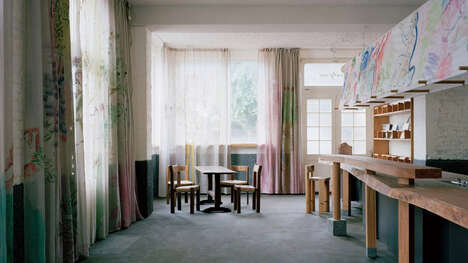
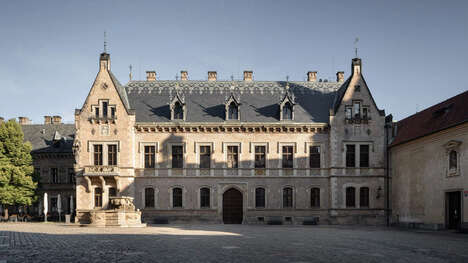
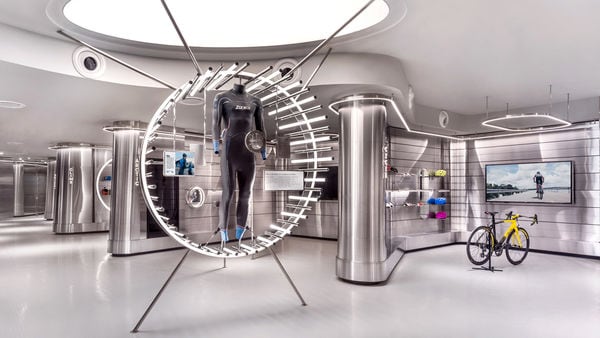
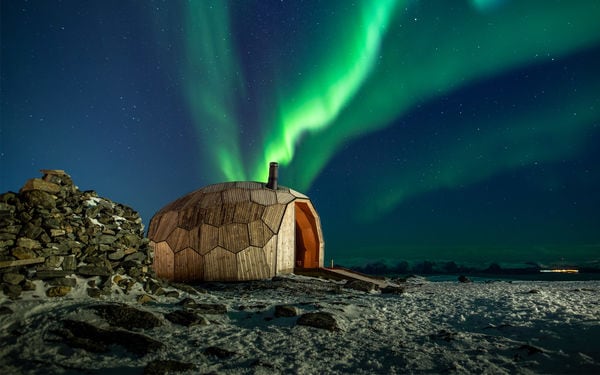
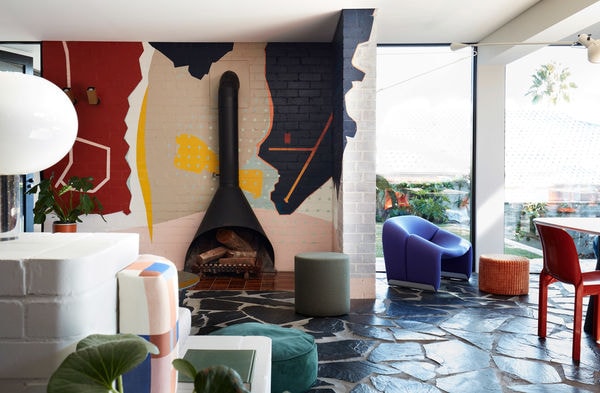
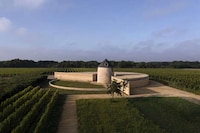
House of Wine is a Czech wine bar that is located in Znojmo — "a walled town in the Czech Republic's winemaking region of Moravia." Spread across two buildings with rich heritage, the business commissioned local architects Chybik + Kristof to create a welcomingly sophisticated ambiance for guests.
In the quest to revamp the aesthetic and layout of the Czech wine bar, Chybik + Kristof worked extensively toward preserving select elements in the existing buildings that embraced Moravian tradition and mimicked "the atmosphere of the region's traditional wine cellars."
The layout presents a series of interconnected rooms that support the operations of the House of Wine, while the cave-like structure allows for individuals to have an intimately cozy experience.
Image Credit: Alex Shoots Buildings, Laurian Ghinitolu.
What Makes This Trend Stand Out
- Traditional Moravian Motifs
- Exploring traditional motifs in restaurant and bar design can offer a unique and authentic experience for consumers.
- Preserving Historical Elements
- The incorporation of historical elements in the design of modern bars and restaurants can provide a sense of heritage and authenticity.
- Intimate Cave-like Spaces
- Creating intimate and cozy spaces within restaurant and bar design can offer an exclusive and unique experience for guests.
Sectors Adopting This
- Hospitality
- Hotels and restaurants can leverage the use of traditional motifs and preservation of historical elements to enhance the customer experience and differentiate themselves in a competitive industry.
- Architecture
- Architects and designers can utilize the incorporation of historical elements in modern design to create a sense of continuity and connection with the past.
- Wine Industry
- Wineries and wine bars can tap into the trend of creating intimate, cave-like spaces to create a unique and memorable customer experience.