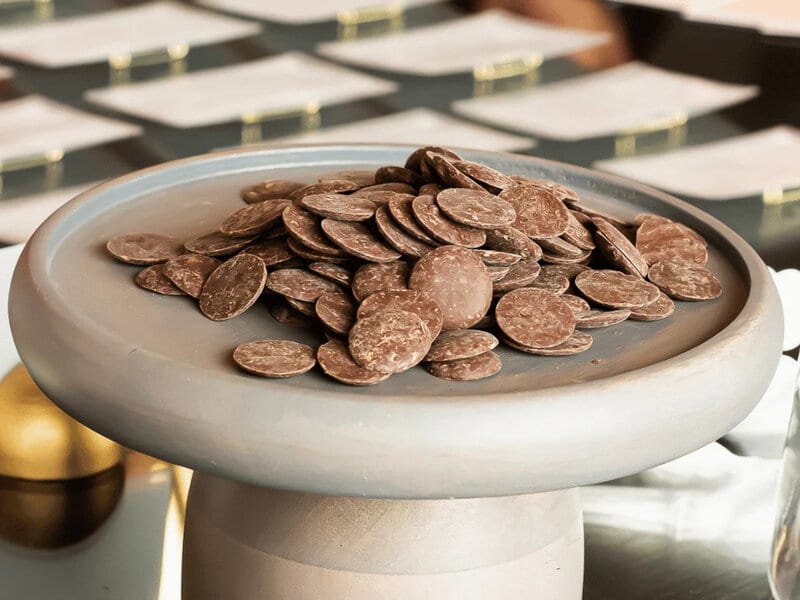
Galy is bringing cultivated cocoa into foodservice with 'WunderHaus,' a chocolate line for chefs, bakers, pastry chefs, and chocolatiers. It blends cocoa grown from plant cells with conventional cocoa ingredients for everyday kitchen use.
Troquet on South in Boston is the first US setting this week, and Galy is targeting the UAE for 2027. The cocoa moved from lab work to commercial scale in less than one year, and internal estimates put resource savings at around 80% compared with field production.
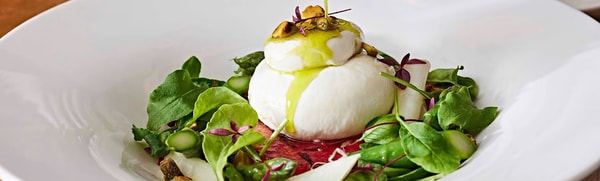
A hybrid format for professional kitchens makes cultured cocoa a lower-friction test for restaurants and hotels, since buyers can try the ingredient without replacing every cocoa input at once. A Boston start with a planned UAE follow-up moves WunderHaus through chef menus first, where repeat kitchen use matters more than novelty.
Image Credit: Galy
What Makes This Trend Stand Out
- Cultivated Cocoa Ingredients
- Lab-grown cocoa entering chef-focused formats signals a new path for chocolate sourcing that reduces dependence on climate-exposed agricultural supply chains.
- Hybrid Chocolate Formulations
- Blending cultivated and conventional cocoa creates a practical bridge for commercial kitchens where performance, familiarity, and sustainability must coexist.
- Chef-led Foodtech Adoption
- Professional kitchens are becoming influential proving grounds for novel ingredients because repeat menu use can validate quality beyond consumer novelty.
Sectors Adopting This
- Foodservice
- Restaurants and hotels gain access to sustainable specialty ingredients that can differentiate menus while limiting operational disruption.
- Confectionery
- Chocolate makers face emerging competition from cell-cultivated inputs that may reshape premium positioning, sourcing models, and product development.
- Agricultural Biotechnology
- Cell-based crop production platforms highlight opportunities to commercialize high-value ingredients with lower resource intensity than traditional farming.