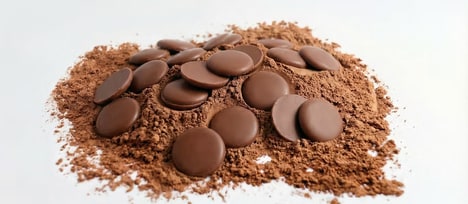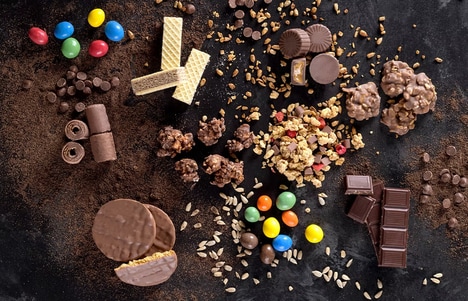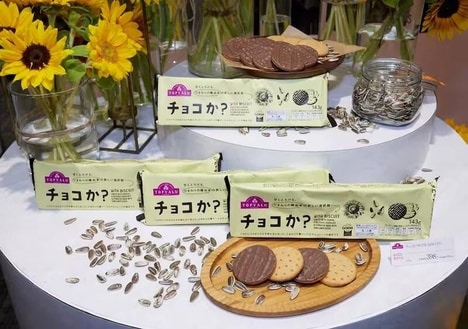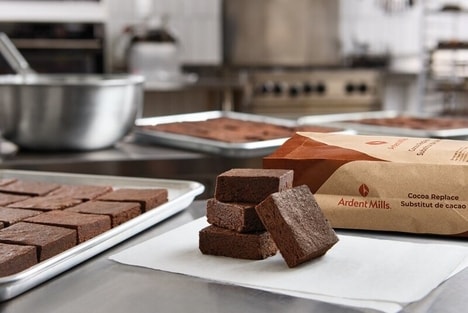

Foreverland, an Italian food startup, introduced Choruba, a cocoa-free chocolate ingredient made from carob, pumpkin seeds and chickpeas, designed to mimic chocolate’s taste and functionality while fitting existing confectionery production lines. The company launched the product as it scaled commercial output from its Puglia facility, which opened in October 2025 and can produce 500 tonnes annually.
Choruba is backed by two patents and supported by a full life-cycle assessment that reported roughly 90% lower water use and 83% lower CO2 emissions versus conventional dark chocolate; Foreverland also secured IFS Food certification to meet large manufacturers’ sourcing standards. The recent €6 million funding round included follow-on and new investors such as Kost Capital, Maia Ventures, CDP Venture Capital, Linfa and Newtree Impact.
For manufacturers, Choruba offers a price-stable, lower-impact substitute that integrates into existing lines without equipment changes, helping confectioners hedge cocoa supply risk and meet sustainability procurement requirements. The company is expanding across Europe with commercial deals in Italy and Germany and plans for organic-certified variants to address broader buyer demand.
Image Credit: Foreverland
What Makes This Trend Stand Out
- Cocoa-free Confectionery
- Emerging cocoa-free formulations that replicate chocolate taste and functionality present alternatives that could upend reliance on cocoa commodities and reshape product portfolios.
- Sustainable Ingredient Substitutes
- A rise in low-water, low-emissions ingredient options highlights pathways for dramatic carbon and water footprint reductions across sweet goods.
- Supply-chain Resilience Through Formulation
- Companies pursuing ingredient parity with existing processes enable manufacturers to mitigate raw-material volatility without capital-intensive line changes.
Sectors Adopting This
- Confectionery Manufacturing
- Large-scale chocolate makers face potential disruption from ready-fit substitutes that preserve manufacturing workflows while offering cost and sustainability benefits.
- Food Ingredient Suppliers
- Ingredient distributors and co-manufacturers are presented with the prospect of new product categories that can command supply contracts previously held by cocoa suppliers.
- Food Retail and Private-label
- Supermarkets and private-label brands could leverage cocoa-free formulations to introduce lower-cost, lower-impact chocolate alternatives that appeal to sustainability-minded consumers.