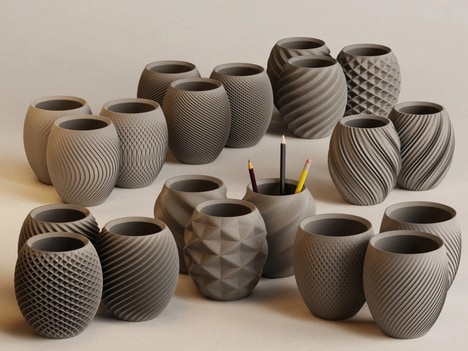
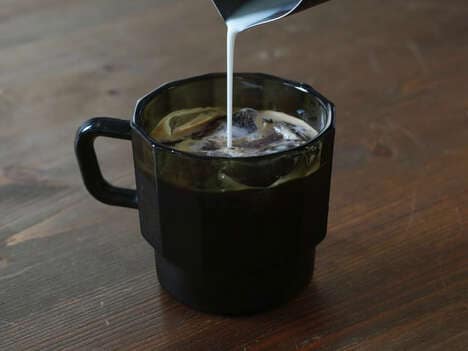
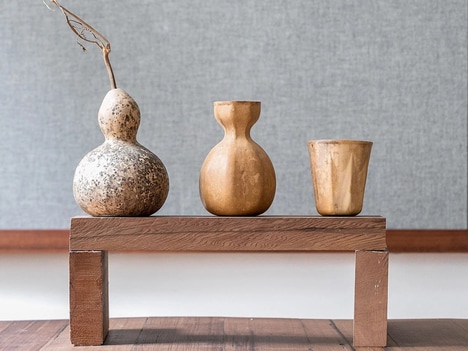
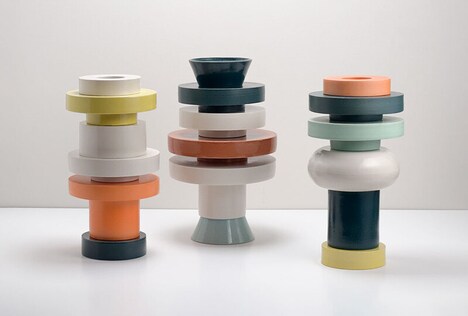
The Corcelain modular cups blend Japanese porcelain tradition and modern digital fabrication into a customizable vessel system. It is designed by Kosuke Takahashi and 224 Porcelain. In terms of its inspiration, the two draw on the historic Hizen‑Yoshidayaki technique from Ureshino City. As a result, each ceramic cup serves as a base for snap-on 3D‑printed elements: feet, handles, lids, and decorative components. These are all attached via precision mounting points.
The system encourages user participation: downloadable models let people design or swap parts, turning each piece into a unique expression of taste and style. By integrating centuries-old craftsmanship with digital customization, Corcelain supports sustainable consumption. Instead of replacing a cup, users can refresh it with new attachments, fostering adaptability and minimizing waste, showcasing how heritage techniques and cutting-edge tech can coexist thoughtfully.
Image Credit: Kosuke Takahashi, 224 Porcelain
Key Themes Behind This Trend
- Heritage-tech Fusion
- Blending traditional craftsmanship with modern technology creates opportunities for unique, customizable products that cater to diverse consumer tastes.
- User-driven Customization
- Encouraging consumers to participate in the design process fosters a sense of ownership and personalization, transforming standard products into individualized creations.
- Sustainable Product Refresh
- By offering modular components to update existing items, businesses can promote sustainability through reducing the need for frequent full replacements.
Where This Applies
- Ceramics and Pottery
- The integration of digital design techniques into traditional ceramics revitalizes this industry, opening new avenues for personalized and sustainable products.
- 3D Printing and Additive Manufacturing
- Leveraging additive manufacturing in consumer goods allows for the creation of interchangeable and customizable components that enhance product longevity.
- Home and Lifestyle
- Innovative product systems that allow consumers to modify and personalize home items meet rising consumer demand for versatile and eco-friendly living solutions.