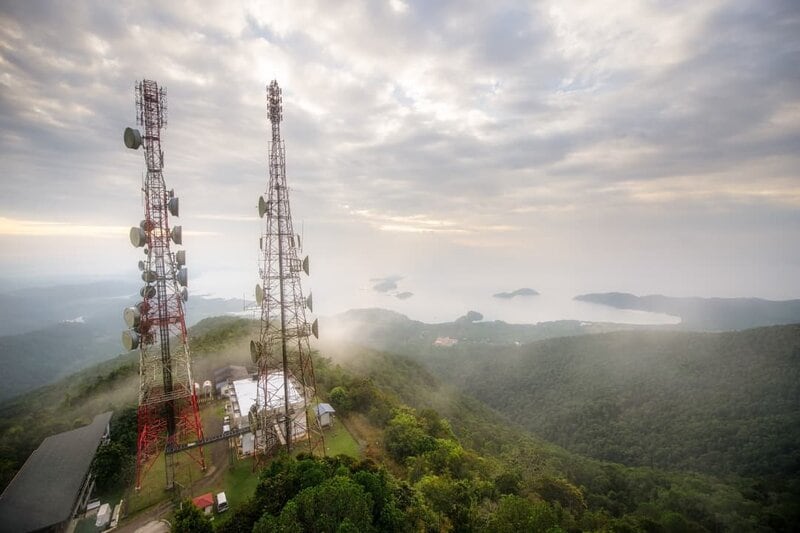
Conversational network planning tools are helping telecommunications teams make faster infrastructure decisions as EDOTCO Group expands the use of NaPA GPT. Built on Microsoft Azure, the AI-powered interface connects with EDOTCO’s operational and geospatial datasets, allowing planners to ask natural-language questions about network expansion opportunities. The system can analyze planning criteria and produce ranked lists of potential tower locations within minutes, reducing reliance on specialized data teams and multiple dashboards.
For EDOTCO, NaPA GPT could shorten planning timelines while making complex infrastructure data accessible to commercial, planning and regional teams. Faster analysis may help the company evaluate more network scenarios and direct investments toward areas with stronger coverage needs or growth potential. The platform also demonstrates how conversational AI can support capital-intensive infrastructure decisions, creating opportunities for similar tools across telecommunications, smart cities and regulatory planning.
Image Credit: Microsoft
Part of the cluster
Operational Agents
Businesses deploy autonomous systems to coordinate decisions across functions
Explore the cluster



What Makes This Trend Stand Out
- Conversational Infrastructure Analytics
- Natural-language interfaces are shifting complex network analysis away from specialist-only workflows, creating openings for enterprise tools that convert operational and geospatial data into rapid investment insights.
- AI-powered Site Selection
- Automated ranking of potential tower locations is redefining infrastructure planning by combining coverage demand, growth indicators and deployment criteria into faster decision models.
- Geospatial Decision Intelligence
- Integrated mapping and operational datasets are becoming strategic assets for capital-heavy planning, enabling more precise scenario evaluation across distributed physical networks.
Sectors Adopting This
- Telecommunications
- Mobile network operators and tower companies are positioned to use conversational AI to accelerate coverage expansion, optimize capital allocation and reduce planning bottlenecks.
- Smart Cities
- Urban infrastructure programs can benefit from AI-assisted geospatial planning that coordinates connectivity, mobility, utilities and public-service investments across fast-growing regions.
- Regulatory Technology
- Government and compliance teams may apply similar data-query platforms to assess permitting, spectrum use and infrastructure approvals with greater transparency and speed.