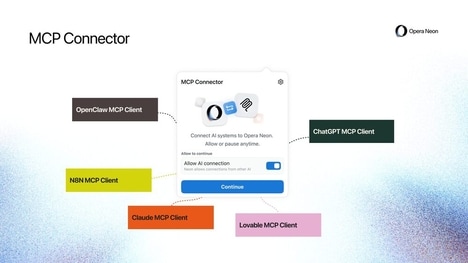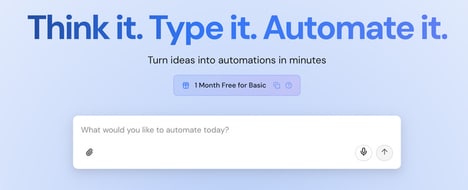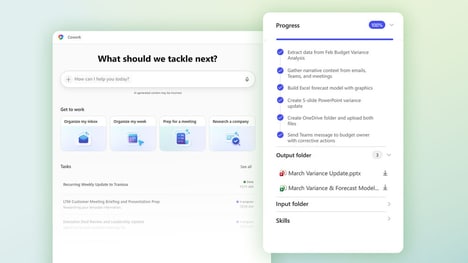
The AI infrastructure assistants introduced by Digi International enable organizations to manage connected devices and network infrastructure through natural language interactions with enterprise AI tools. Through its new Model Context Protocol (MCP) server, the company connects platforms such as Digi Remote Manager and Genesis with large language models, allowing users to query device fleets, troubleshoot issues, automate workflows, and generate configuration insights using conversational prompts.
This approach reduces the complexity often associated with managing large-scale connectivity deployments by making infrastructure data more accessible to both technical and non-technical teams. Rather than relying solely on traditional dashboards and manual processes, organizations can interact with connected environments through AI-powered interfaces that provide context-aware recommendations and operational support.
As enterprises continue to expand their connected device ecosystems, demand for intelligent management tools is likely to grow. This development highlights opportunities for businesses to improve operational efficiency, accelerate decision-making, and simplify oversight across distributed infrastructure networks.
Image Credit: Digi International
What Makes This Trend Stand Out
- Conversational Infrastructure Management
- Natural language interfaces are making complex device fleets easier to monitor, query, and optimize across enterprise environments.
- AI-connected Operations
- Enterprise AI integration with operational systems is creating new pathways for faster diagnostics, workflow automation, and context-aware decision support.
- Protocol-based AI Integration
- Model Context Protocol servers are emerging as connective layers that let large language models securely access specialized enterprise data and tools.
Sectors Adopting This
- Internet of Things
- Connected device ecosystems gain value from AI-assisted oversight that simplifies fleet management across distributed sensors, gateways, and endpoints.
- Network Management
- Infrastructure teams are benefiting from conversational tools that translate network data into actionable diagnostics, configuration insights, and performance visibility.
- Enterprise Software
- Business platforms are shifting toward AI-native interfaces that blend automation, analytics, and operational context within everyday management workflows.