
Coral, a New York AI startup, launched the Coral platform to automate administrative workflows for specialty healthcare providers, featuring document-understanding models tailored to faxes, scanned forms and payer portals.
Founded in 2024 by Ajay Shrihari and Aniket Mohanty, the company connects to existing EHRs, fax lines and payer systems so providers do not need to replace legacy infrastructure. Coral’s models reached 99.7% accuracy across handwritten and scanned documents and sped complete patient intakes to under five minutes. The startup began in durable medical equipment and expanded into infusion centers and specialty pharmacy, and early customers reported dramatically shorter turnaround times.
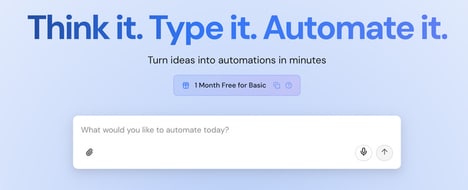
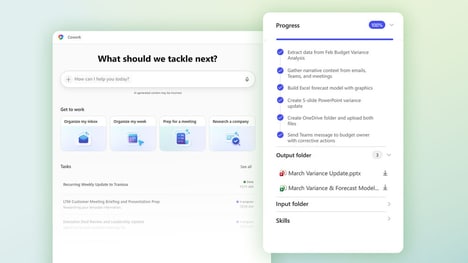
Coral also shipped AI voice and text follow-up workflows and plans an AI workflow builder, as well as a co-pilot layer to surface operational intelligence from claims and authorization data.
Image Credit: Shutterstock/DC Studio
What Makes This Trend Stand Out
- Legacy System Integration AI
- Seamless connectors between modern AI and existing EHRs, fax lines and payer systems create scope for platforms that unlock value from entrenched legacy infrastructure without rip-and-replace.
- Document-understanding Models for Healthcare
- Highly accurate models for handwriting, scanned forms and faxed documents enable automated extraction of clinical and billing data that can drastically reduce intake and adjudication latency.
- AI-driven Workflow Co-pilots
- Contextual co-pilot layers that surface operational intelligence from claims and authorization data promise to reshape decision support and exception handling across administrative processes.
Sectors Adopting This
- Specialty Healthcare Providers
- Clinics and centers focused on infusion, specialty pharmacy and other niche services stand to gain from reduced intake times and faster authorization cycles that can increase throughput and revenue capture.
- Payer and Authorization Services
- Insurance processors and prior-authorization vendors could be transformed by AI that automates document ingestion and adjudication, lowering manual review costs and shortening approval windows.
- Durable Medical Equipment and Supply
- DME suppliers and logistics partners may experience operational shifts as automated document workflows accelerate order processing, verification and reimbursement reconciliation.