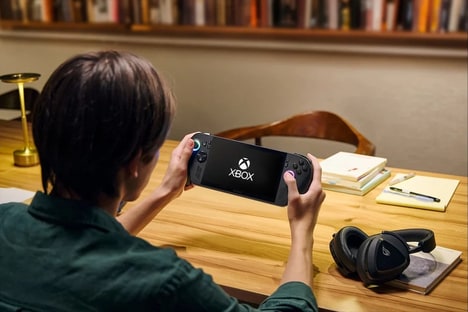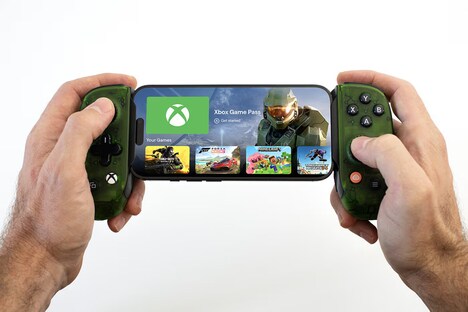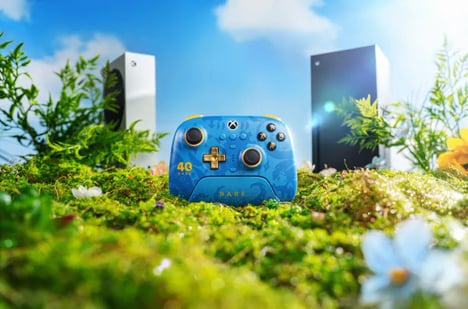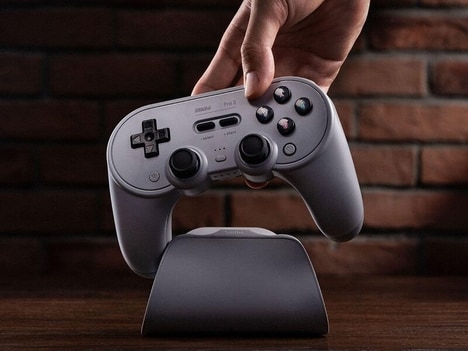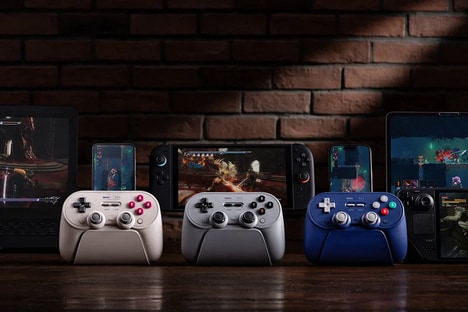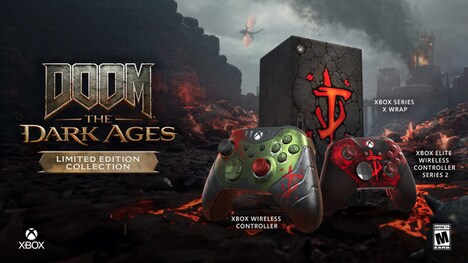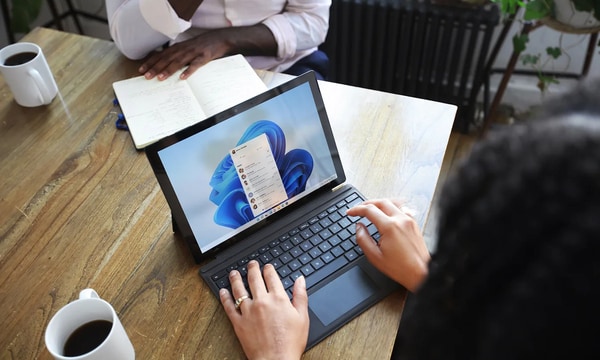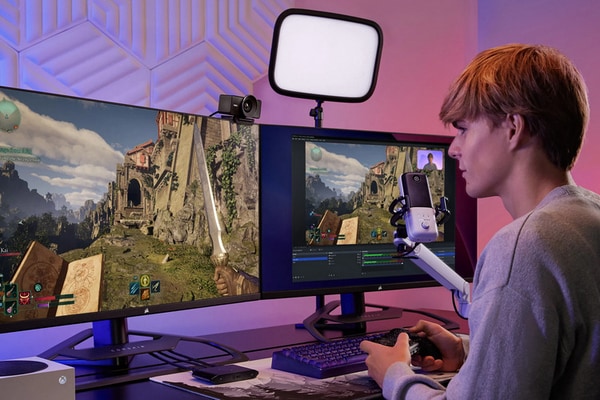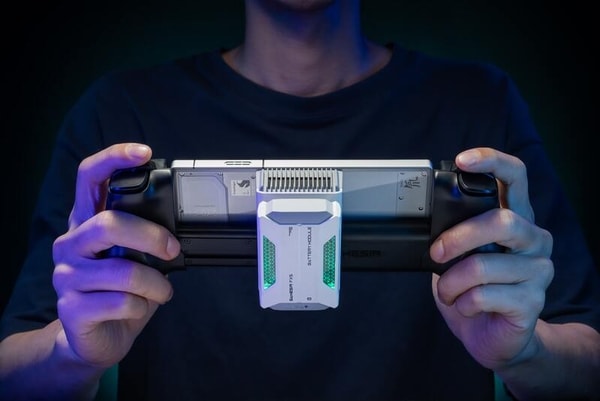
Controller-driven PC interfaces are evolving as Microsoft introduces gamepad-based desktop navigation through its Xbox Game Bar update. The feature allows users to control a cursor with a joystick, scroll using a thumbstick, and click with controller buttons, making it easier to navigate Windows on handheld gaming devices. This approach reduces reliance on touchscreens or external peripherals, creating a more seamless, console-like experience across PC environments.
This shift reflects growing demand for hybrid devices that blend gaming and productivity. As handheld PCs gain popularity, improving usability becomes essential for user retention and satisfaction. By integrating controller navigation directly into its ecosystem, Microsoft strengthens its platform consistency and reduces dependence on third-party tools. This could encourage wider adoption of handheld PCs while prompting competitors to enhance their own interface solutions to remain competitive in an expanding market segment.
Image Credit: Microsoft/Xbox
What Makes This Trend Stand Out
- Controller-first Navigation
- A shift toward joystick-and-button driven cursors creates new possibilities for non-touch, low-latency input paradigms that reframe desktop interaction models.
- Hybrid Gaming-productivity Interfaces
- Blending console-style controls with productivity workflows could lead to device designs and software experiences that collapse the line between play and work.
- Platform-native Peripheral Integration
- Native controller support embedded in OS ecosystems enables tighter hardware-software coupling that can displace third-party middleware and unify cross-device experiences.
Sectors Adopting This
- Handheld Pc Manufacturers
- Rising demand for controller-friendly navigation offers opportunities for device makers to differentiate through integrated ergonomics, dedicated input surfaces, and optimized power profiles.
- Operating System Developers
- OS vendors can reshape user expectations by baking controller navigation into core input APIs and accessibility layers, influencing application design and platform lock-in.
- Accessible Computing
- Controller-driven interfaces present alternative interaction methods that have the potential to expand computing accessibility for users with limited touch or mouse dexterity.