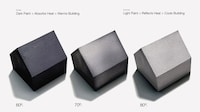

A team of scientists working out of the Harbin Institute of Technology over in China have managed to invent a futuristic construction coating that is designed to be able to change color in order to optimize the way in which a given home or other building engages with outside temperatures.
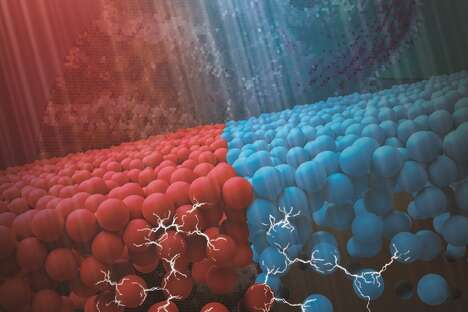
Inspired by chameleons, this construction coating is dubbed a "temperature-adaptive radiative cooling coating" and is packed with microcapsules that contain a special chemical that is designed to be able to alter its color when temperature changes occur.
Considering the extreme amounts of cost and the questionable sustainability credentials of typically deployed cooling and heating technologies, the fact of the matter is that this color-changing coating could offer a much-needed green energy boost to this particular challenge.
Image Credit: American Chemical Society
What Makes This Trend Stand Out
- Temperature-adaptive Coatings
- The development of temperature-adaptive coatings presents disruptive innovation opportunities for the construction industry to optimize building's energy efficiency.
- Color-changing Building Materials
- The invention of color-changing construction coatings opens up new possibilities for the architecture and design industry to create aesthetically dynamic and temperature-responsive buildings.
- Green Energy Solutions
- The use of color-changing coatings as an alternative to traditional cooling and heating technologies could provide sustainable advancements for the energy industry.
Sectors Adopting This
- Construction
- The construction industry can benefit from incorporating temperature-adaptive coatings to enhance energy efficiency in buildings.
- Architecture & Design
- The architecture and design industry can leverage color-changing building materials to create visually appealing and climate-responsive structures.
- Energy
- The energy industry can explore green energy solutions by adopting color-changing coatings as a more sustainable alternative for temperature regulation.