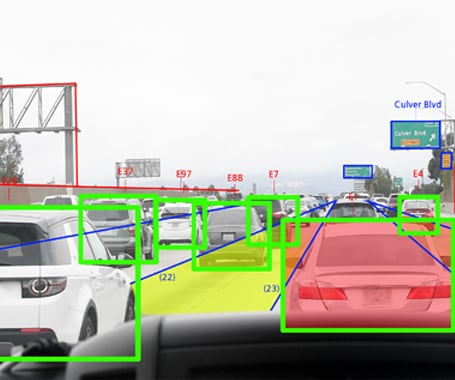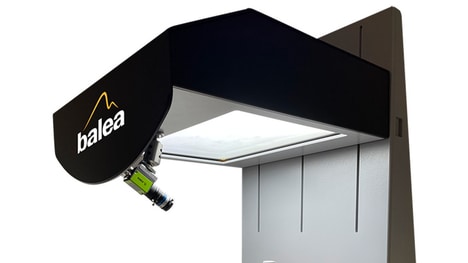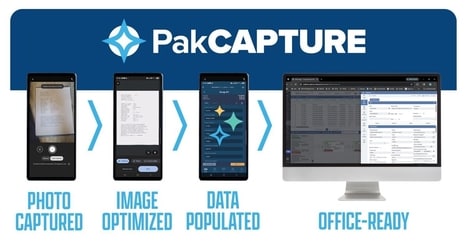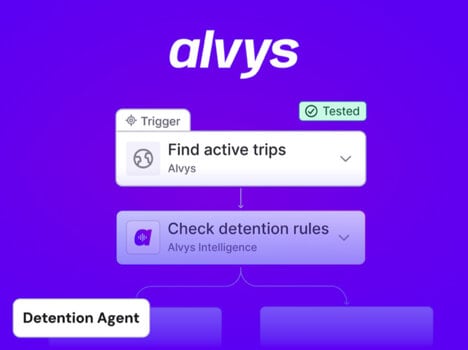
EAIGLE is bringing faster truck check-ins to freight facilities with 'Blue Gate,' a gate automation system that uses computer vision software to analyze camera feeds, recognize vehicles, and guide access. Instead of relying on paper-heavy stop-and-go routines, the system turns a facility's gate into a more automated handoff between arriving drivers and site operations.
Because Blue Gate works with existing camera infrastructure, facilities can add automation without rebuilding the yard around new hardware. EAIGLE ties the system to gate dwell times under 30 seconds and throughput up to 5x higher, so trucks spend less time queued at the entrance.
For brands, this means yard digitization can begin at the gate rather than waiting for a larger warehouse retrofit. That shift integrates gate checks into the same connected flow as transportation and dock activity, making visibility across a facility feel more continuous than patchwork.
Image Credit: EAIGLE
What's Driving This Trend
- Computer-vision Access
- Camera-based recognition is reshaping facility entry points by turning passive surveillance feeds into automated identity, routing, and compliance infrastructure.
- Low-retrofit Automation
- Software-first upgrades create value by layering intelligence onto existing assets, reducing the need for costly physical redesigns in logistics environments.
- Continuous Yard Visibility
- Connected gate, dock, and transportation data enables more unified operational awareness, replacing fragmented checkpoints with real-time flow management.
Who This Affects Most
- Freight Logistics
- Automated gate controls can reduce truck queues and improve throughput, creating new efficiency benchmarks for high-volume distribution networks.
- Warehouse Technology
- Vision-enabled entry systems expand warehouse digitization beyond interior workflows, linking exterior yard activity with broader operational platforms.
- Supply Chain Management
- Integrated gate data strengthens end-to-end visibility, giving brands a clearer view of dwell times, carrier movement, and facility congestion.