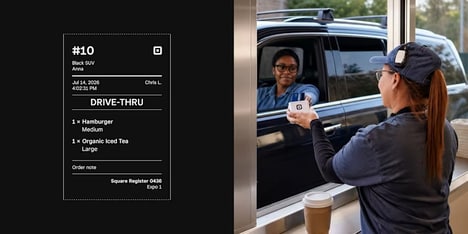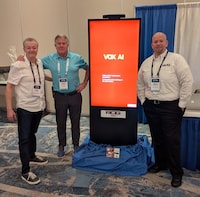
AI drive-thru intelligence is transforming quick-service restaurant operations by replacing traditional in-ground sensors and loop timers with camera-based computer vision systems. Solink’s Drive-Thru AI uses existing security cameras to monitor the full customer journey across drive-thru lanes, including queue buildup, menu board interactions, service windows, and pull-forward areas. The platform provides real-time operational visibility that helps restaurants identify bottlenecks, reduce wait times, improve order accuracy, and track customer behavior patterns such as abandoned queues. By relying on existing infrastructure, the system also lowers installation costs and simplifies multi-location deployment for restaurant operators.
The technology reflects how restaurants are increasingly using AI-powered analytics to improve operational speed and customer experience. As drive-thrus continue generating the majority of revenue for many quick-service chains, real-time monitoring systems may become essential tools for throughput optimization and service consistency. Computer vision platforms also create opportunities for predictive staffing, automated reporting, and scalable restaurant performance management.
Image Credit: Solink
What Makes This Trend Stand Out
- Camera-based Drive-thru Monitoring
- Real-time video analysis of the entire drive-thru customer journey enables precise identification of throughput bottlenecks and queue abandonment patterns.
- AI-powered Operational Analytics
- Predictive algorithms that correlate wait times, order accuracy, and customer interactions create new possibilities for demand forecasting and service consistency at scale.
- Infrastructure-light Computer Vision
- Solutions that leverage existing security cameras reduce deployment costs and simplify multi-location rollouts, lowering barriers to adoption for regional and national chains.
Sectors Adopting This
- Quick-service Restaurants
- High-revenue dependence on drive-thru throughput makes real-time monitoring systems a catalyst for rethinking store layouts, staffing models, and customer flow strategies.
- Restaurant Tech Platforms
- SaaS providers that integrate camera feeds with POS and labor data can offer unified performance dashboards and automated compliance reporting across franchises.
- Workforce Management Solutions
- Demand-driven staffing systems informed by live queue and predictive analytics enable more granular scheduling and dynamic allocation of front-line personnel.