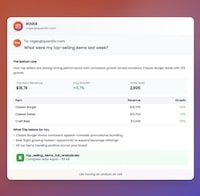

Vision AI restaurants are reshaping how quick-service brands monitor performance and improve operational efficiency at scale. Berry AI announced a nationwide partnership with Culver’s to deploy its real-time restaurant visibility platform across more than 1,000 locations. The system uses AI-powered camera analytics to measure service execution, vehicle flow, throughput and other operational metrics while integrating directly into existing restaurant workflows and POS systems. By transforming routine video feeds into actionable insights, operators can make faster decisions and maintain more consistent customer experiences across locations.
This large-scale deployment highlights how computer vision technology is becoming essential infrastructure within the restaurant industry. QSR brands may increasingly adopt AI visibility platforms to reduce service bottlenecks, improve drive-thru performance and strengthen operational consistency across multiple channels. The growing use of real-time restaurant analytics also reflects rising demand for data-driven management tools that support faster service, improved staffing efficiency and more responsive customer experiences in high-volume dining environments.g.
Image Credit: Berry AI
Why This Trend Is Growing
- Real-time Computer Vision Analytics
- Large-scale camera analytics converting video into operational metrics enable consistent performance monitoring and rapid anomaly detection across distributed locations.
- Integrated Pos-vision Platforms
- An interoperability layer that fuses POS and vision data creates unified datasets for more accurate throughput measurement and revenue-correlated operational insights.
- Drive-thru Optimization Through AI
- AI-powered vehicle flow and service-execution analysis produces granular visibility into queue dynamics and service time drivers in high-volume pickup channels.
Industries Being Reshaped
- Quick-service Restaurants
- QSR chains with large multiunit footprints can leverage vision-driven consistency metrics to reduce service bottlenecks and standardize guest experiences.
- Retail and Convenience
- Brick-and-mortar retailers may adopt in-store camera analytics to correlate foot traffic, checkout throughput and staffing needs for improved conversion and shrink reduction.
- Supply Chain and Logistics
- Fulfillment and last-mile operations could use vision-enabled throughput and vehicle-flow insights to streamline loading, dispatching and yard management.