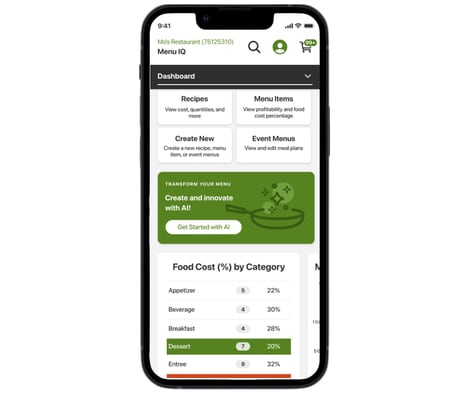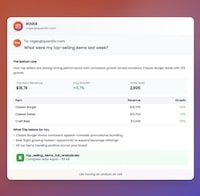
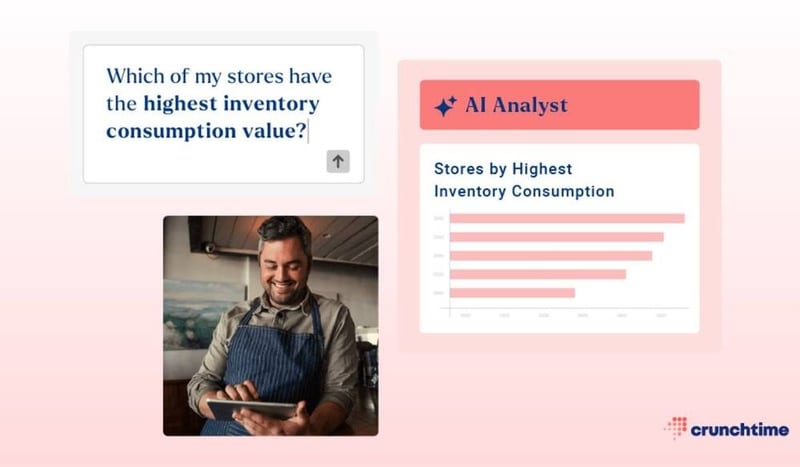
These new Crunchtime AI tools have been announced by the brand as part of its initiative to build on its restaurant operations management platform and leverage its data. The tools within the platform are broken down into four categories including Labor & Scheduling, Inventory Management, Operations Execution and Kitchen Management to accommodate each level of the operations model. The tools each draw insights from complex datasets to help synthesize it into more manageable information and help them to prioritize actionable points that might otherwise take far longer to achieve.
Senior Vice President of Product Brian Herr spoke on the latest Crunchtime AI tools saying, "Restaurant operators aren’t struggling with a lack of data, they are struggling with what to do with it. Our AI is designed to cut through that complexity, surfacing what matters most and recommending the right actions, so managers can spend less time in the back office, and more time delivering great guest and employee experiences.”
Image Credit: Crunchtime
What Makes This Trend Stand Out
- AI-powered Operational Prioritization
- Delivers real-time synthesis of complex datasets to surface high-impact tasks and reduce managerial decision friction across multi-site operations.
- Predictive Inventory Automation
- Leverages consumption patterns and supplier data to anticipate stock needs and minimize waste through forecasted replenishment signals.
- Workforce Optimization Intelligence
- Combines scheduling, labor cost, and demand forecasting to align staffing levels with peak service windows and employee availability.
Sectors Adopting This
- Quick-service Restaurants
- Faces opportunities to integrate AI insights into shift planning and order flow to maintain speed-of-service while controlling labor and food costs.
- Foodservice Supply Chain
- Stands to benefit from analytics-driven demand signals that could compress lead times and enable more dynamic procurement models.
- Hospitality Management Software
- Could incorporate cross-functional operational intelligence to offer unified dashboards that bridge front-of-house experience with back-of-house efficiency.