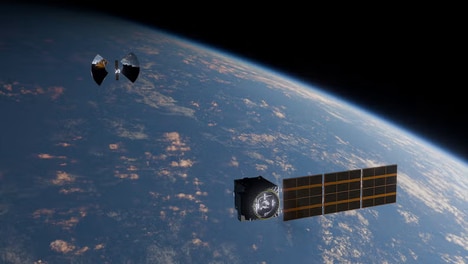
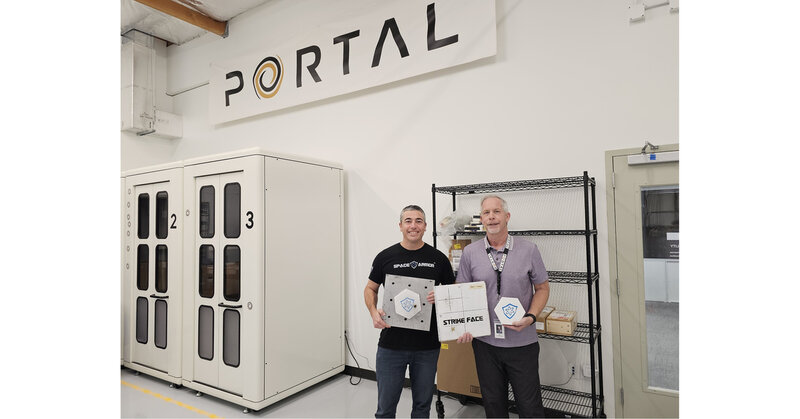
Atomic-6 is moving Space Armor tiles into orbit for the first time aboard Portal Space Systems' Starburst-1, giving spacecraft makers a test of shielding built to blunt micrometeoroid and debris hits. The flight also puts its radome, a protective cover for communications hardware, into space while still letting signals pass.
Built with Atomic-6's fiber-to-resin process, the panels blocked impacts above 7 kilometers per second in hypervelocity trials without creating harmful follow-on fragments. On Starburst-1, that matters because shielding that avoids secondary debris can protect the vehicle without adding fresh hazards to orbit.
Starburst-1's use of a lighter, radio-friendly shield widens the case for composite protection on satellites and other high-value spacecraft. If this mission's integration work holds up, orbital shielding moves closer to being designed into the vehicle instead of added later as heavier metal shielding.
Image Credit: Atomic-6 and Portal Space Systems
What Makes This Trend Stand Out
- Composite Space Shielding
- Lightweight fiber-resin tiles suggest a new generation of spacecraft protection that reduces mass while improving resilience against micrometeoroids and orbital debris.
- Radio-transparent Protection
- Signal-friendly radomes create room for protective materials that safeguard communications hardware without compromising satellite connectivity.
- Fragment-free Impact Defense
- Shielding that avoids secondary debris introduces safer orbital protection models for crowded space environments and long-duration missions.
Sectors Adopting This
- Satellite Manufacturing
- Integrated composite shielding expands design possibilities for satellites that require lower launch weight, higher durability, and fewer add-on protective systems.
- Space Communications
- Protective radome materials that preserve signal transmission could reshape antenna, payload, and spacecraft enclosure strategies.
- Advanced Composites
- Fiber-to-resin production methods point to scalable material platforms for aerospace components exposed to extreme speed impacts and harsh operating conditions.