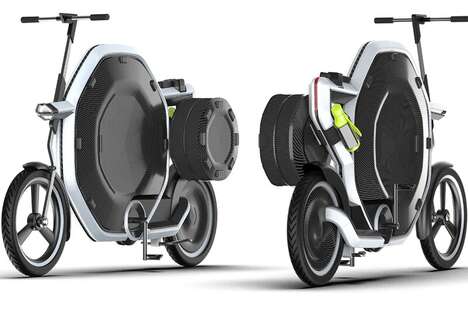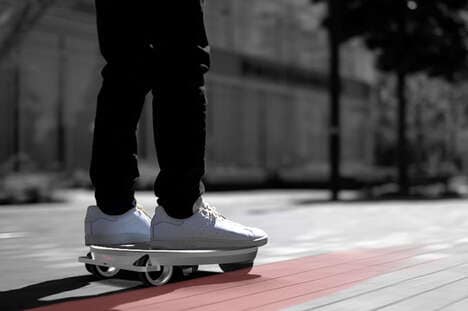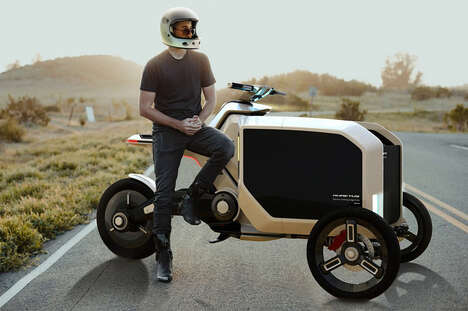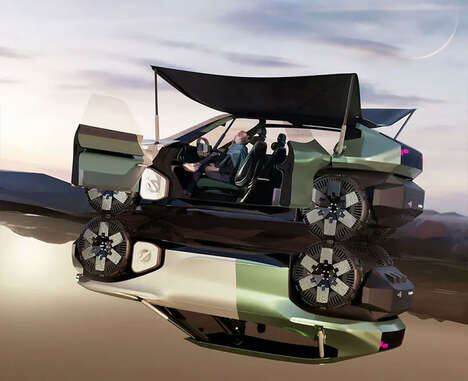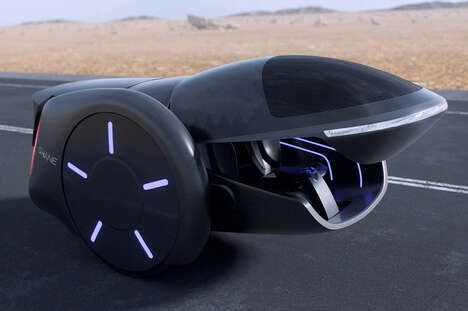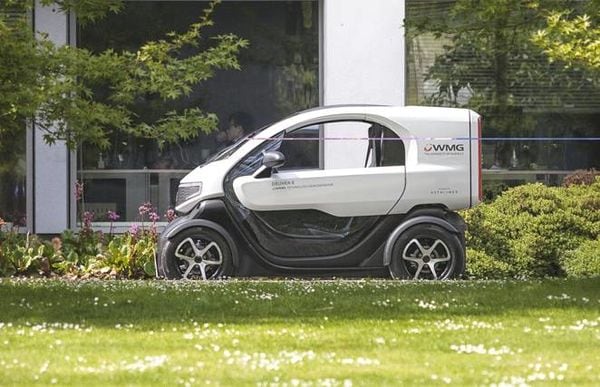


A systems engineer living in the city of Cologne in Germany has gone ahead and devised a spectacular and peculiar commuter concept solution, dubbed the Carr-E, that is designed to be able to transport both people as well as inanimate objects weighing up to 265 pounds at speeds of up to 18 km/h.
Conceived as part of American automaker Ford's 'Last Mile Mobility Challenge', this particular commuter concept features a range of 22 km, which is more than enough to travel between subway station and office, or car park and home. The Carr-e is fitted with avoidance sensors as well as embedded GPS.
While you might not see this commuter concept trundle past you anytime soon, the Carr-e is truly an eye-opener in that it shows the possibilities of last-mile commuting when unconventional engineering and design principles are embraced.
Why This Trend Is Growing
- Last-mile Commuting
- The Carr-E concept highlights the potential for unconventional engineering and design principles in solving last-mile commuting challenges.
- Smart Mobility Solutions
- Incorporating avoidance sensors and embedded GPS in vehicles like the Carr-E can lead to the development of smarter, more efficient mobility solutions.
- Multipurpose Transportation
- The Carr-E's ability to transport both people and cargo showcases the potential for multipurpose transportation solutions.
Industries Being Reshaped
- Automotive Industry
- The Last Mile Mobility Challenge by Ford highlights the need for innovation and advancement within the automotive industry to solve last-mile commuting challenges.
- Technology Industry
- The implementation of avoidance sensors and embedded GPS in vehicles like the Carr-E presents opportunities for further advancements and innovation within the technology industry.
- Logistics and Delivery Industry
- The ability of the Carr-E to transport inanimate objects weighing up to 265 pounds showcases potential opportunities for the development of more efficient delivery and logistics solutions.