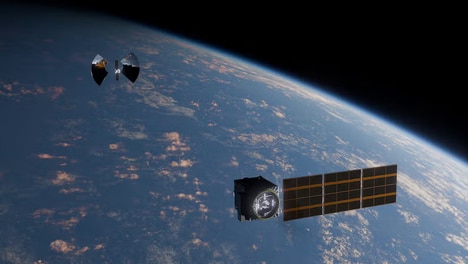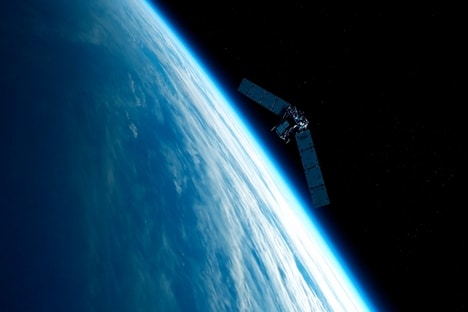

Commercial satellite servicing is reshaping space operations by enabling robotic missions to extend the lifespan of existing spacecraft instead of replacing them. Katalyst Space's LINK spacecraft will attempt to rendezvous with, capture and raise the orbit of NASA's Neil Gehrels Swift Observatory, preventing its planned reentry. If successful, the mission will mark the first commercial robotic servicing of an uncrewed NASA spacecraft that was not originally designed for in-orbit maintenance, demonstrating how private companies can preserve valuable orbital assets through precision robotics.
This milestone could encourage broader adoption of commercial servicing missions across government and private satellite fleets. Extending spacecraft lifespans reduces replacement costs, maximizes returns on existing infrastructure and helps operators delay expensive new launches. As satellite constellations continue to expand, robotic maintenance, repositioning and life-extension services may become a critical segment of the space economy, creating new opportunities for aerospace companies specializing in autonomous orbital operations and satellite logistics.
Image Credit: Triff/Shutterstock
Why This Trend Is Growing
- Robotic Satellite Servicing
- Precision rendezvous, capture and orbit-raising capabilities are creating a new market for extending spacecraft lifespans beyond original mission designs.
- Orbital Asset Preservation
- Cost pressures around satellite replacement are elevating life-extension services as a disruptive alternative to launching new infrastructure.
- Autonomous Space Logistics
- The expansion of satellite fleets is turning in-orbit maintenance, repositioning and support into a critical layer of commercial space operations.
Industries Being Reshaped
- Aerospace
- Private aerospace firms are gaining new revenue pathways through robotic servicing platforms that preserve high-value government and commercial spacecraft.
- Satellite Communications
- Longer-lasting orbital infrastructure can improve network continuity and reduce capital intensity for operators managing expanding satellite constellations.
- Space Robotics
- Advanced autonomous systems are becoming essential for servicing spacecraft never designed for maintenance, opening specialized opportunities in capture, navigation and manipulation technologies.