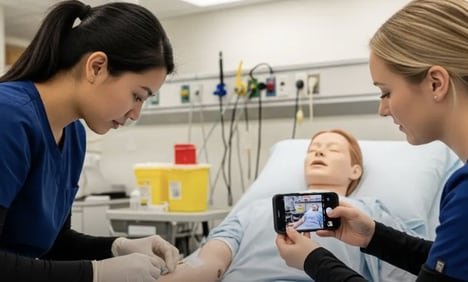
Virtual aesthetic masterclasses are making ongoing clinical education more accessible to providers through Induction Therapies' new Clinical Masterclass Series. Hosted live on Zoom on the first Thursday of each month, the complimentary program combines expert-led instruction with interactive workshops, clinical roundtables, case studies, treatment protocol reviews, and live Q&A sessions. Providers also receive session recordings and downloadable resources, allowing them to continue learning beyond each monthly event.
The recurring format gives aesthetic professionals a way to continuously update treatment strategies and clinical decision-making as new products and procedures enter the market. For Induction Therapies, free education can strengthen relationships with providers while supporting greater familiarity with advanced treatments and its broader aesthetics ecosystem. Combining clinical guidance with practice-growth strategies also increases the program's value to providers, demonstrating how aesthetics companies can use education to build professional communities, encourage long-term engagement, and support treatment adoption.
Image Credit: Collagen P.I.N.
Key Themes Behind This Trend
- Virtual Clinical Education
- Live-streamed training models are broadening specialist access to advanced aesthetic knowledge while reducing the geographic and scheduling barriers tied to in-person certification.
- Provider Community Platforms
- Recurring digital learning environments can deepen professional loyalty by combining peer discussion, expert guidance, and brand ecosystem familiarity in one ongoing touchpoint.
- On-demand Treatment Resources
- Recorded sessions and downloadable clinical materials create scalable knowledge libraries that support continuous skill development as protocols and products evolve.
Where This Applies
- Medical Aesthetics
- Education-led engagement is reshaping how treatment brands introduce new procedures, build provider confidence, and accelerate adoption across clinics.
- Professional Training
- Hybrid formats blending workshops, case studies, and live Q&A are creating more flexible models for specialized continuing education.
- Digital Health
- Virtual clinical programming connects expertise, resources, and practitioner networks in ways that make medical knowledge delivery more scalable and interactive.