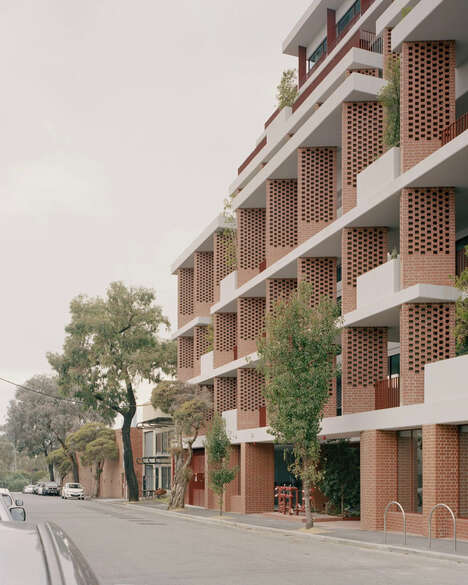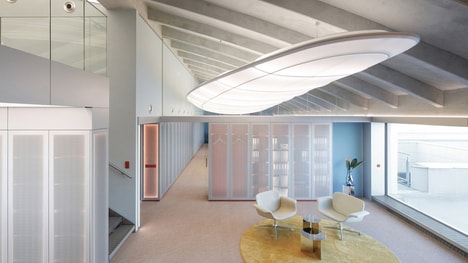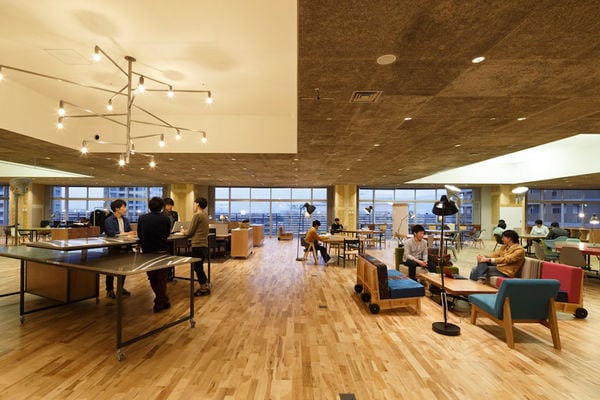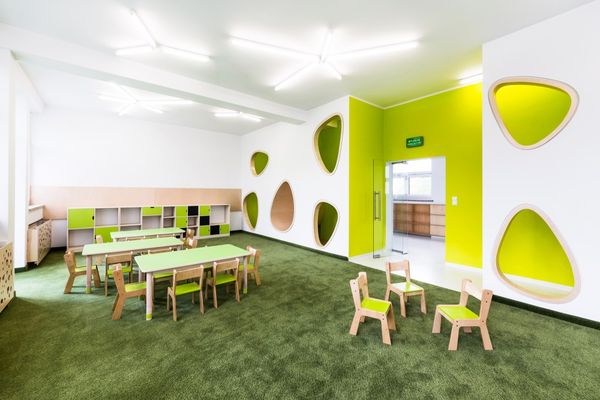

Melbourne studio Clare Cousins Architects have created a shared office space for its practice. The construction firm that shares the office restored the concrete exterior to its original finish, removing layers of yellow render in the process.
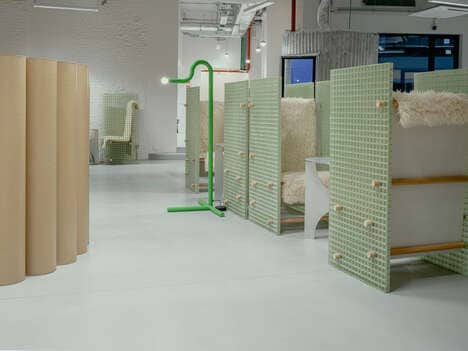
Inside, the interior is styled in monochromatic fittings to distinguish between the areas of its two occupants. Everything from the furniture to the ceiling grid is intended to differentiate between the companies.
The architects modified the original interior, which was lined with windowless cubicles, into an open-concept space. The architects explain, "Retaining the shell and reusing parts of the original fit-out, the challenge was to create a non-corporate environment that would evoke a sense of authenticity and capability." It was important for there to be a sense of community between the occupants, so the architects made sure to include communal areas throughout the office.
What's Driving This Trend
- Monochromatic Office Spaces
- Office spaces designed with monochromatic fittings to distinguish between occupants opens the door for minimalistic and personalized office designs.
- Open-concept Workspaces
- Converting traditional cubicles into open-concept spaces increases collaboration in sharing office spaces.
- Community-oriented Office Spaces
- Incorporating communal areas throughout an office promotes a sense of community and a positive work culture.
Who This Affects Most
- Architecture and Design
- Architects and interior designers can use monochromatic fittings and open-concept designs to help businesses create personalized and inviting workspaces.
- Construction
- Incorporating communal spaces during construction phases of shared office spaces boosts productivity and collaboration between occupants.
- Real Estate
- Real estate professionals can use community and collaboration as selling points for potential tenants of shared office spaces.