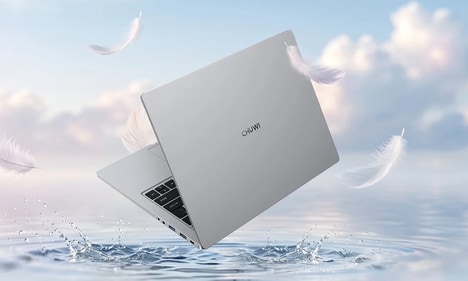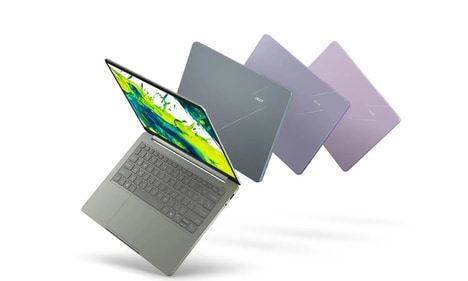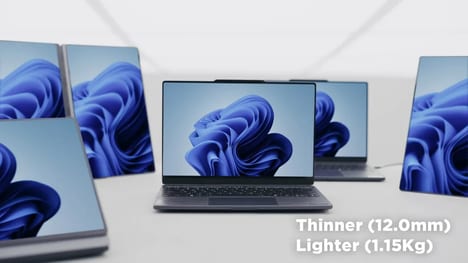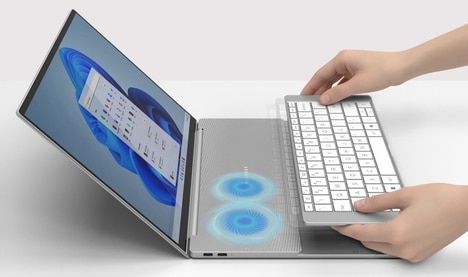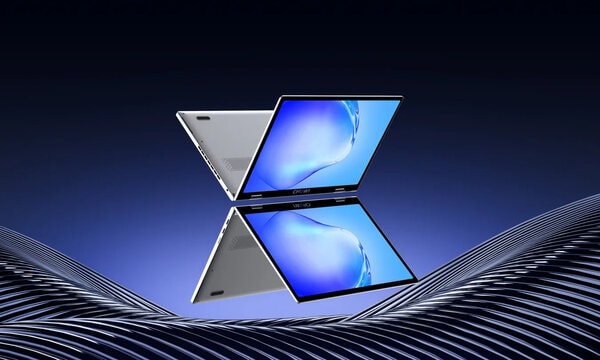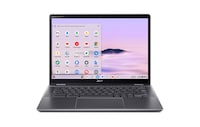
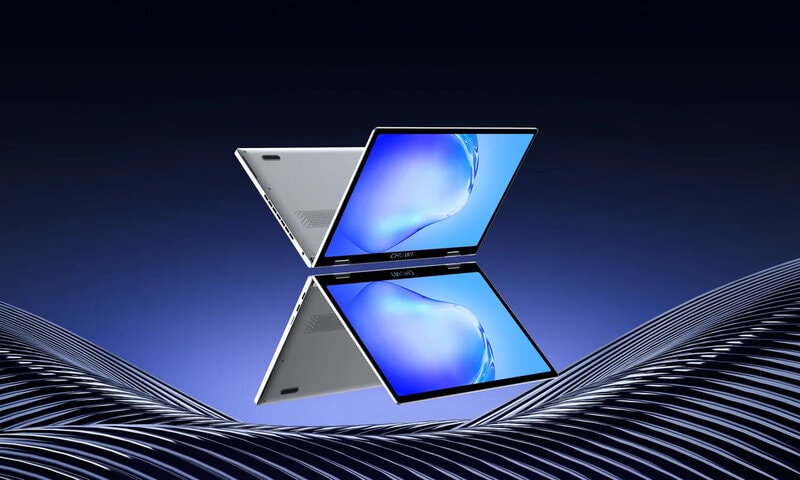
The ongoing increase in component costs in the tech industry has effectively eliminated many value-driven models, but some brands are responding with systems that make strategic tradeoffs to keep prices affordable as seen with the Chuwi Minibook X.
The mini laptop measures in with a 10.51-inch display and a convertible design that can transition seamlessly between laptop mode, stand mode, tent mode and tablet mode. The hardware is powered by an Intel U300 processor and supported with 16GB of RAM and a 512GB SSD, which will support everyday productivity requirements. Users can enjoy WiFi 6 and Bluetooth 5.2 connectivity with two USB-C ports and a backlit keyboard, while the Chuwi Minibook X is powered by a 28.88Wh battery which is where the system saves on cost by opting for a smaller pack.
Image Credit: Chuwi
Why This Trend Is Growing
- Budget Convertible Computing
- Affordable hybrid laptops with selective hardware compromises signal room for brands to redefine value in flexible productivity devices.
- Compact Productivity Devices
- Small-screen laptops with full productivity specifications create potential for portable work tools positioned between tablets and traditional notebooks.
- Cost-optimized Hardware Design
- Strategic reductions in battery size, materials, or premium features highlight new approaches to maintaining accessible pricing amid rising component costs.
Industries Being Reshaped
- Consumer Electronics
- Value-focused device makers can reshape competitive dynamics by pairing modern connectivity and convertible formats with lower-cost configurations.
- Mobile Computing
- Mini convertible laptops expand the mobile computing category through lightweight form factors designed for students, travelers, and hybrid workers.
- Education Technology
- Low-cost, flexible laptops offer institutions practical alternatives to tablets and Chromebooks for digital learning environments with limited budgets.