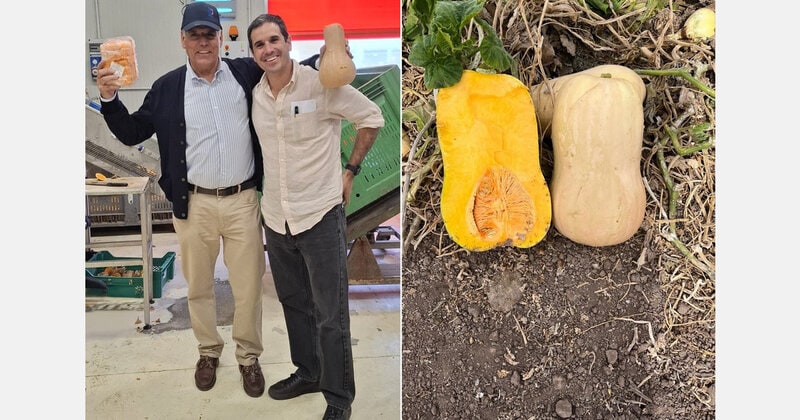
Exportadora Disa SA is expanding its presence in Europe with Chilean butternut squash, building on three years of shipments to Italy and targeting fresh-produce processors and fresh-market buyers. The offer includes peeled and cut packs, but the stronger selling point is processing yield: a smaller seed cavity leaves more usable flesh, helping lines achieve steadier output from each squash.
Shipments run from February to June, giving European importers and processors an off-season source when purchasing programs need continuity. GlobalG.A.P. certification addresses buyer requirements, while wooden-bin packing simplifies handling and unloading at destination facilities.
February-to-June availability makes the program a gap-filler for European processors planning around the off-season. With Italy already established, that window gives Disa and Greenline Gate a concrete way to approach importers and distributors in other European markets.
Image Credit: freshplaza.com
Why This Trend Is Growing
- Off-season Produce Sourcing
- Seasonal supply gaps are creating room for Southern Hemisphere growers to stabilize European processing programs with reliable counter-seasonal crops.
- Yield-optimized Vegetables
- Produce varieties with smaller waste profiles are gaining strategic value as processors look to improve throughput, reduce trimming losses, and standardize output.
- Pre-cut Fresh Processing
- Peeled and cut vegetable formats are reshaping buyer expectations by combining convenience, labor reduction, and ready-to-process efficiency for commercial kitchens and manufacturers.
Industries Being Reshaped
- Fresh Produce Export
- Exporters that align harvest windows, certifications, and logistics packaging with overseas processor needs are positioned to differentiate beyond commodity pricing.
- Food Processing
- Processors benefit from raw materials engineered for higher usable flesh content, supporting more predictable production economics and lower organic waste.
- Agricultural Logistics
- Packaging systems such as wooden bins are becoming a competitive factor by improving unloading, storage, and handling efficiency across international produce supply chains.