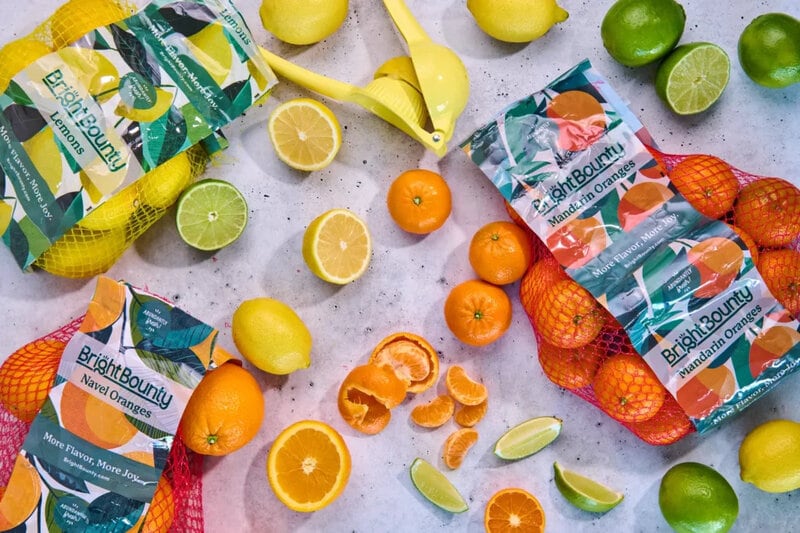
Bright Bounty is extending organic fruit availability beyond domestic harvest windows with a spring and summer import program for apples and pears. Sourced from growers in Chile and Argentina, the program supplies East Coast retailers with varieties including Gala, Granny Smith, Fuji, Honeycrisp, Bartlett, Packham, and D’Anjou. Smaller fruit is offered in value-oriented 2lb bags for everyday snacking, while full and half bulk cartons provide additional merchandising flexibility. A fresh-to-order packing model and just-in-time inventory help maintain fruit quality while reducing excess stock.
The program gives retailers a way to maintain organic produce assortments when domestic supply is limited, potentially supporting steadier category sales throughout the year. Multiple packaging configurations can also serve different price points and shopping occasions while helping retailers manage shrink. For Bright Bounty, direct grower relationships and private-label options create opportunities to deepen retail partnerships and expand its role as a year-round organic produce supplier.
Image Credit: Bright Bounty
Key Themes Behind This Trend
- Year-round Organic Sourcing
- Global grower networks are reshaping seasonal produce models by keeping organic fruit available beyond domestic harvest periods.
- Flexible Produce Packaging
- Multiple pack sizes and bulk formats create space for retailers to serve value shoppers, snack occasions, and merchandising needs with less waste.
- Just-in-time Freshness
- Fresh-to-order packing and inventory discipline introduce more responsive supply chains that can improve quality while reducing shrink exposure.
Where This Applies
- Organic Produce
- Off-season import programs expand the category’s reliability by smoothing supply gaps and supporting consistent retail assortment planning.
- Grocery Retail
- Retailers gain new ways to protect year-round sales through differentiated organic fruit formats, private-label options, and adaptable pricing tiers.
- Food Logistics
- Cross-border cold-chain coordination becomes a competitive advantage as fresh produce suppliers balance speed, quality, and inventory efficiency.