
Integrated AI cancer screening is expanding across Saudi Arabia as Lunit prepares to deploy its medical imaging technology within the Ministry of National Guard Health Affairs' healthcare network. Through a partnership with solutions by stc, the company will connect its AI-powered diagnostic tools directly to existing hospital imaging systems, allowing clinicians to review automated findings without navigating separate platforms.
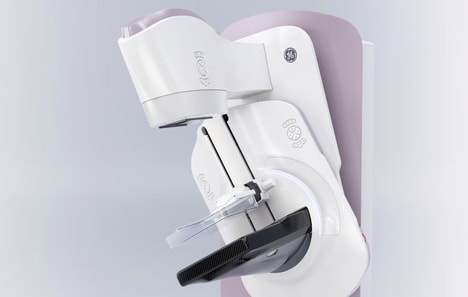
The deployment includes Lunit INSIGHT CXR for chest X-ray analysis and Lunit INSIGHT MMG for mammography assessments. Both solutions will operate through the organization's Picture Archiving and Communication System, which stores and manages medical images, making AI-generated results accessible during routine clinical evaluations.
For healthcare organizations, this integration offers opportunities to expand AI-assisted screening while retaining established digital infrastructure. The agreement also strengthens Lunit's presence in Saudi Arabia and supports its broader expansion into Middle Eastern healthcare markets.
Image Credit: Lunit
Why This Trend Is Growing
- Embedded AI Diagnostics
- Seamless integration of imaging algorithms into hospital systems creates new potential for faster clinical review without disrupting existing workflows.
- AI-assisted Cancer Screening
- Automated detection tools for X-rays and mammograms expand the capacity of healthcare networks to identify early-stage disease at scale.
- Middle East Healthtech Expansion
- Regional adoption of advanced diagnostic platforms signals growing demand for localized partnerships, infrastructure-compatible tools, and AI-enabled care models.
Industries Being Reshaped
- Medical Imaging
- AI-enhanced interpretation of radiology and mammography images introduces fresh possibilities for accuracy, efficiency, and standardized assessment.
- Healthcare Technology
- Integrated software platforms that connect directly with clinical infrastructure are reshaping how providers deploy digital health innovations.
- Hospital Systems
- Large healthcare networks gain new avenues for improving screening access and diagnostic consistency through embedded decision-support technologies.