Reading the name "Catenary Pottery Printer," you might be inclined to expect a cutting-edge device that excels in the unique production of crockery. You will see, however, that this process is of the manual sort, requiring meticulous craftsmanship and plenty of hands-on time in the making.
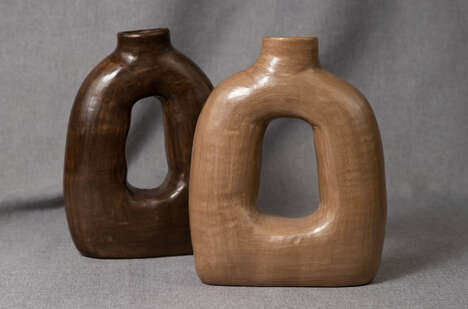
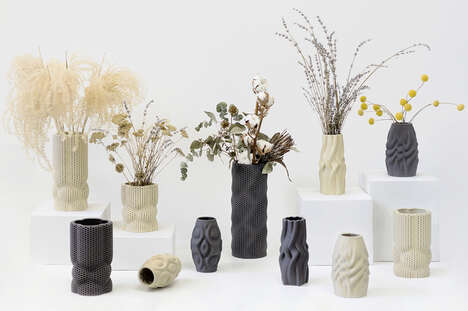
Dezeen Magazine describes the method as an "analogue version of parametric design." The Great Things to People (gt2p) studio has assembled a wooden frame and suspended a piece of fabric from its top from all four corners. With plenty of slack, the cloth of the Catenary Pottery Printer sags deeply, creating a soft concave space. Clay is poured into this material mold, then gently squeezed out from the top and bottom. This finally produces one-of-a-kind bowls, dishes and vases that have delicate ruffled edges.
What Makes This Trend Stand Out
- Analog Parametric Design
- Embracing the manual process of parametric design, there is an opportunity to create unique and custom products.
- Fabric Mold Technology
- Using fabric molds for ceramics opens up new possibilities for creating distinctive and elegant pieces.
- Soft Edged Pottery
- The production of bowls and vases with delicate ruffled edges is a trend that adds a touch of artistic elegance to traditional pottery.
Sectors Adopting This
- Ceramics
- The ceramics industry has an opportunity to experiment with fabric molds and incorporate analog parametric design in their manufacturing processes.
- Art and Design
- Artists and designers can explore the use of fabric molds and soft-edged pottery to create unique and visually captivating pieces.
- Craftsmanship
- Manual craftsmanship can be enhanced by integrating fabric molds and analog parametric design, allowing artisans to create truly one-of-a-kind products.