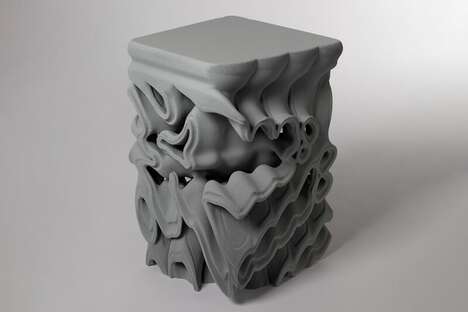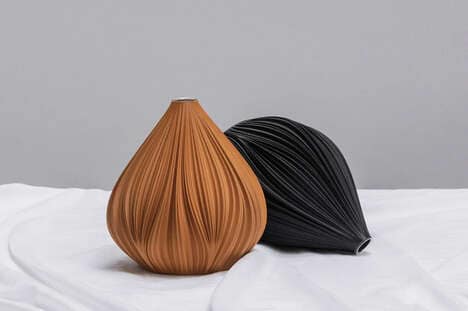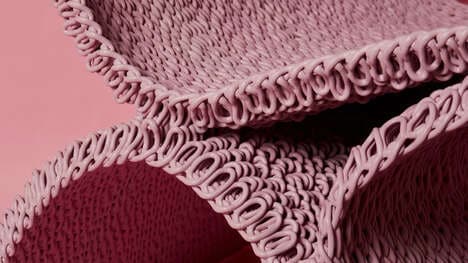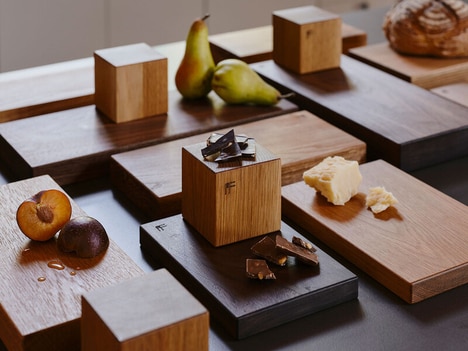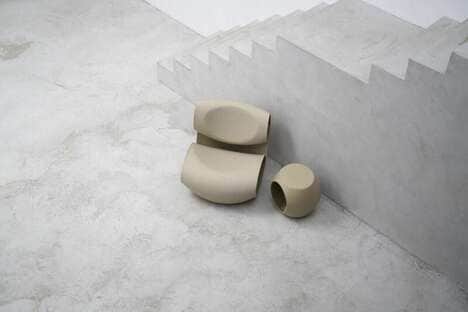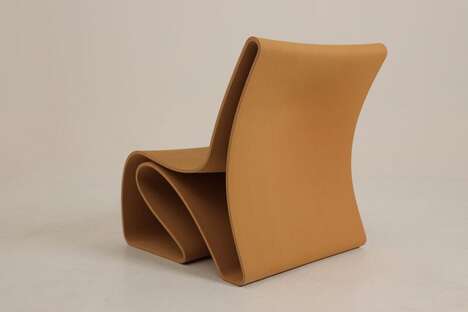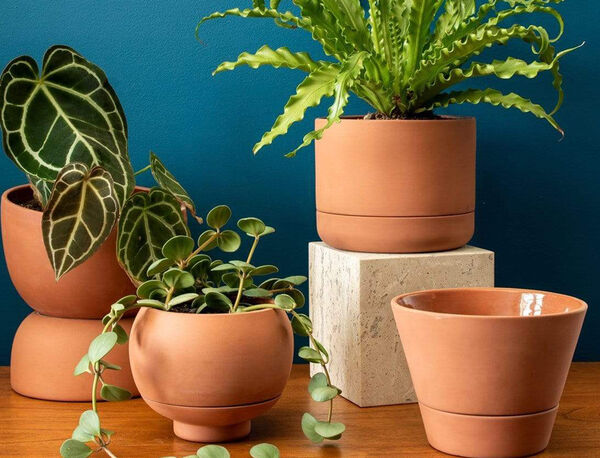
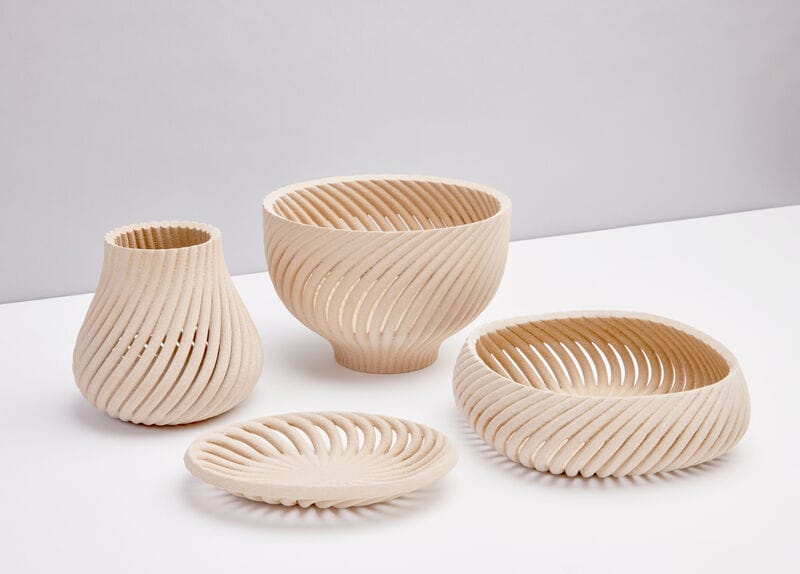
Forust's newest homeware Vine collection is 3D-printed from wood and paper offcuts. The collection's designer, Yves Béhar, conceptualized four different pieces for the additive manufacturing company. Vine includes a vessel, a bowl, a basket, and a tray, created by a process that Forust says is the "first of its kind."
Sawdust is mixed with a natural tree-sap binder and 3D-printed into complex, swirling geometric forms. The process prints the homeware in layers to replicate different wood grains. This also helps to achieve the strength and durability that the company suggests is similar to conventional timber.
The software used can incorporate wood stains such as oak, ash, and walnut, and can even replicate the granular composition of rosewood or mahogany.
Image Credit: Dezeen
Key Themes Behind This Trend
- 3d-printed Sustainable Homeware
- Additive manufacturing companies can further explore sustainable and eco-friendly materials to create new lines of homeware that are innovative and eco-conscious.
- Hybrid Materials for 3d-printing
- Research into the combination of various materials such as wood and paper offcuts can result in unique and durable homeware items that have never been seen before.
- Customizable 3d-printed Homeware
- Home decor and furniture businesses can implement software and 3D-printing techniques to offer personalized and unique homeware products that meet specific consumer needs.
Where This Applies
- Furniture Manufacturing
- Furniture manufacturers can explore the integration of 3D-printing techniques and sustainable materials to create innovative products for environmentally conscious consumers.
- Home Decor Retail
- Home decor retailers can leverage 3D-printing technology to offer customizable homeware collections that cater to consumer preferences and needs.
- Additive Manufacturing
- Companies that specialize in additive manufacturing can develop and offer more sustainable materials to create eco-friendly homeware items that are unique and durable.