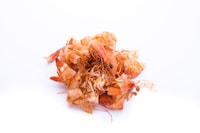

NEC, the Japanese electronics company, has used an extract from cashew nut shells and plant cellulose to create cashew-based bioplastics that are stronger than corn starch-based bioplastics.
Not only are the cashew-based bioplastics twice as strong, they are more heat-resistant and degrade more quickly than plastics made from corn starch or sugarcane. If all goes as planned, the cashew-based bioplastics will be available for electronics applications by the middle of 2014.
Implications - While I know that seems like a super-long time to wait for such an amazing creation as nutty plastics, I can assure you these NEC bioplastics will be well worth the wait!
What Makes This Trend Stand Out
- Cashew-based Bioplastics
- The development of bioplastics made from cashew nut shells and plant cellulose presents a disruptive innovation opportunity in the plastics industry.
- Strength and Heat-resistance
- The increased strength and heat-resistance of cashew-based bioplastics compared to corn starch-based bioplastics creates opportunities for innovation in industries that require durable and heat-resistant materials.
- Quick Degradation
- The faster degradation of cashew-based bioplastics makes them suitable for industries that prioritize sustainability and environmental impact.
Sectors Adopting This
- Electronics
- The availability of cashew-based bioplastics for electronics applications opens up disruptive innovation opportunities in the electronics industry.
- Plastics
- The development of cashew-based bioplastics presents opportunities for disruption and advancement within the plastics industry, offering an alternative to traditional petroleum-based plastics.
- Sustainable Packaging
- The faster degradation and strength of cashew-based bioplastics suggest they could be used for sustainable packaging solutions, disrupting the packaging industry.