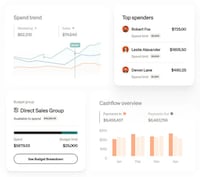
Propel rolled out an in-house cash-flow underwriting model for underserved borrowers that analyzes six months of bank transactions in seconds, giving lenders a fuller picture than bureau data alone. The AI system is designed to spot creditworthy applicants that conventional underwriting can miss while keeping risk thresholds steady, the company says.
The model went live in late Q3 2026, and early results show that more applicants can be approved at the same risk level. It is projected to widen credit access by up to 15%, the company says. A partnership with Plaid provides consumer-permissioned account data on cash flow and existing obligations, enabling the model to assess current finances rather than relying on a score alone.
Propel demonstrates how six months of transaction data can inform non-prime lending decisions in seconds, with U.S. expansion expected in early 2027.
Image Credit: AI-generated
Why This Trend Is Growing
- Cash-flow Underwriting
- Real-time analysis of bank transaction histories is reshaping credit decisions by revealing borrower affordability beyond traditional bureau scores.
- Permissioned Financial Data
- Consumer-authorized account connectivity creates new ways for lenders to assess income, obligations, and repayment capacity with fresher data.
- Inclusive Credit Scoring
- AI-driven risk models can expand approvals for underserved borrowers while maintaining portfolio controls for non-prime lenders.
Industries Being Reshaped
- Consumer Lending
- Alternative underwriting systems are opening pathways for lenders to serve applicants overlooked by conventional credit models.
- Financial Technology
- Bank-data aggregation and automated analytics are enabling faster, more personalized credit infrastructure across digital finance platforms.
- Credit Risk Analytics
- Machine learning applied to cash-flow behavior is advancing risk assessment tools that balance access expansion with default management.