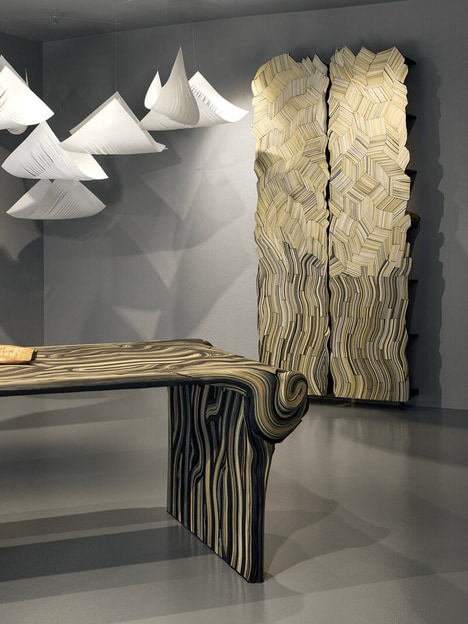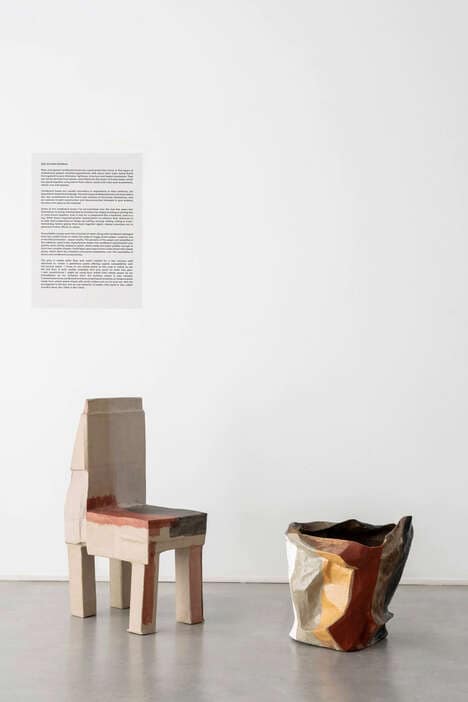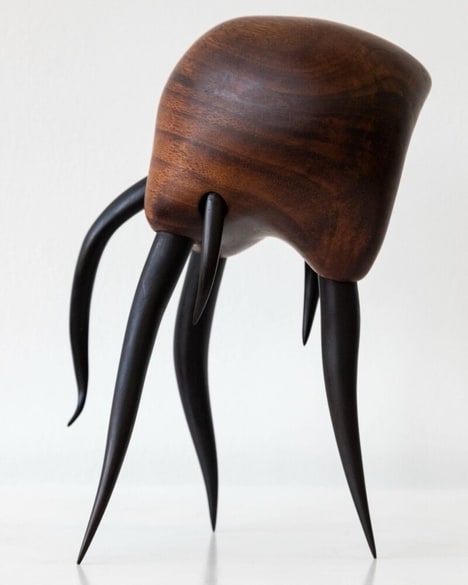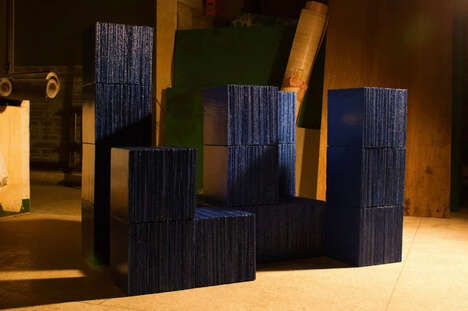

This giant cardboard squid by Wil Natzel was made as the artist’s Masters thesis project. It was made of laser-cut cardboard and hot glue and is an expression of romanticism and an exploration of patterned surfaces.
Natzel chose to work in cardboard in an attempt to extract and pinpoint a fleeting moment and to glimpse at a rarely seen creature. The large cardboard squid by Wil Natzel has detailed tentacles and intricate cut-out shapes. As a beam, the structure could hypothetically play a functional role as structural support, but as a giant cardboard squid it is definitely a piece of architectural art.
Key Themes Behind This Trend
- Cardboard Sculptures
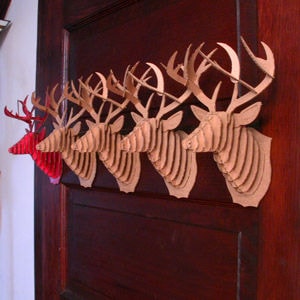
- Creating artistic sculptures using sustainable materials such as cardboard presents an opportunity for artists and designers to experiment with innovative designs.
- Patterned Surfaces
- Exploration and experimentation with intricate patterns and textures on surfaces presents an opportunity for designers to create unique designs and products.
- Structural Art
- Combining structural design with artistic expression presents an opportunity to create functional yet visually stunning architectural art pieces.
Where This Applies
- Art and Sculpture
- Cardboard sculptures and patterned surfaces present creative opportunities for artists and designers in the art and sculpture industry.
- Architecture and Design
- Structural art pieces offer opportunities for architects and designers to create functional and visually beautiful buildings and structures.
- Packaging and Material Design
- The use of sustainable materials such as cardboard presents an opportunity for packaging and material designers to create innovative and eco-friendly products.