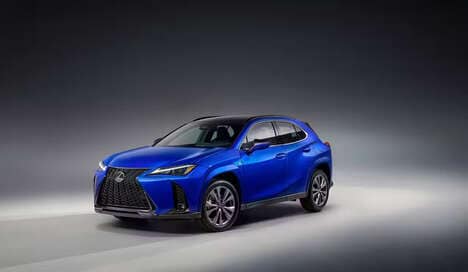
While introducing its Lexus UX Compact UX 200 and UX250H, the luxury car brand announced that it will be rolling out a car subscription service that will be available later this year.
This move isn't a first for the automobile industry, as brands like Volvo, Ford and Porsche have all launched similar programs that grant access to these vehicles. To use the program, consumers will pay-per-use, as appose to owning the vehicle. This method of payment is compatible with long-term use, meaning a consumer can rent a car for as long as they need, with less commitment. Both convenient and affordable, this model of vehicle rentals presents the driver with a new means of accessing a vehicle.
Image Credit: Toyota
Key Themes Behind This Trend
- Car Subscription Services
- With luxury car brands like Lexus, Volvo, Ford, and Porsche introducing car subscription services, there is a growing trend towards pay-per-use vehicle access for consumers.
- Long-term Vehicle Rentals
- The rise of car subscription services offers disruptive innovation opportunities in the long-term vehicle rental industry, providing consumers with convenient and affordable options for extended vehicle use.
- Flexible Ownership Models
- The introduction of car subscription services creates a trend towards flexible ownership models, challenging traditional notions of vehicle ownership and opening up new opportunities for innovative business models and pricing structures.
Where This Applies
- Automobile Industry
- The car subscription service trend is disrupting the automobile industry, prompting luxury car brands like Lexus, Volvo, Ford, and Porsche to explore new ways of providing vehicle access to consumers.
- Car Rental Industry
- The rise of long-term vehicle rentals through car subscription services presents disruptive innovation opportunities in the car rental industry, allowing for more flexible and cost-effective options for customers
- Transportation Industry
- The advent of car subscription services creates a trend that challenges traditional transportation models, leading to potential disruptive innovation opportunities and new approaches to personal mobility and transportation services.