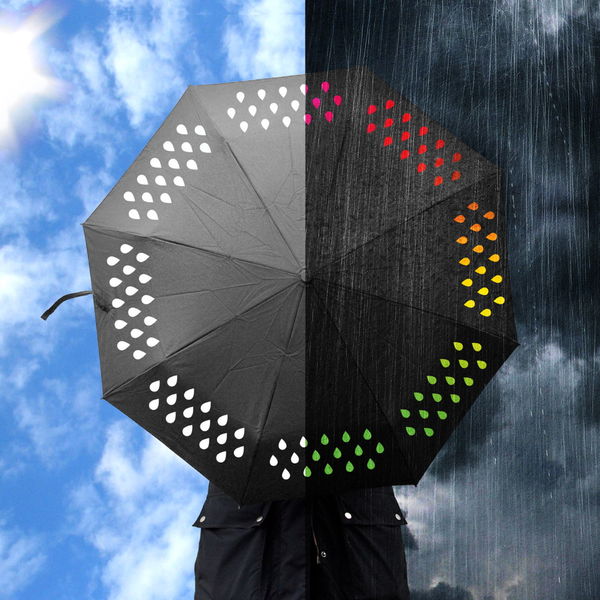


This ad campaign from Cape Argus demonstrated the changing nature of news stories. Cape Argus is a South African newspaper that’s been around since 1857. Its daily readership as of 2009 was 359, 000, with a circulation of 60, 552.
The angle of this Cape Argus ad campaign is to demonstrate how news can change within just a few hours of a story breaking. To achieve this, the company simply created split-screen photos that conveyed a changing story in two simple photos.
The most obvious example of this is a split-screen ad featuring Kim Jong Il on the left and his song Kim Jong-un on the right. This ad is alluding to the change in power in China after Kim Jong Il’s recent death.
What's Driving This Trend
- Real-time News Updates
- Creating split-screen photos to depict the changing nature of news stories within hours presents an opportunity for real-time news updates.
- Visual Storytelling
- Using split-screen photos in ad campaigns can revolutionize visual storytelling by capturing the essence of a changing narrative in a simple and impactful way.
- Adaptive Messaging
- Demonstrating how news stories can change rapidly opens up possibilities for adaptive messaging in advertising, tailored to the current events and public interest.
Who This Affects Most
- Newspaper Publishing
- Newspaper publishers can leverage the idea of real-time news updates to attract a larger audience by providing timely and accurate information.
- Marketing and Advertising
- The concept of visual storytelling through split-screen photos can disrupt the marketing and advertising industry, allowing brands to convey a dynamic message in a visually captivating manner.
- Digital Media Platforms
- Digital media platforms can explore adaptive messaging techniques to deliver personalized news and content to users, based on their real-time interests and preferences.