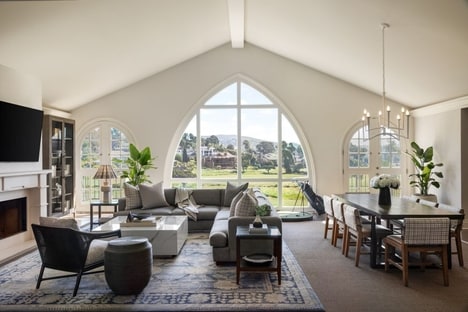
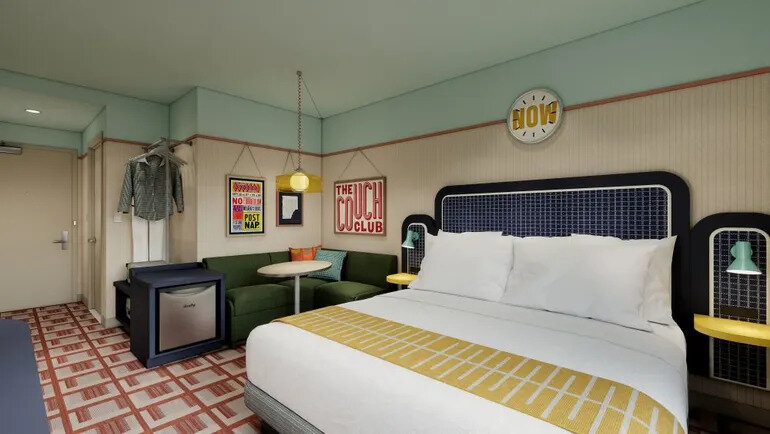
Hilton is expanding college-town lodging with 'Undergraduate by Hilton,' a campus-focused hotel brand that gives developers a repeatable way to serve smaller university markets through both ground-up projects and conversions. That format lets owners tailor a property to an existing site or build from scratch, while creating an off-campus gathering place below the premium Graduate line.
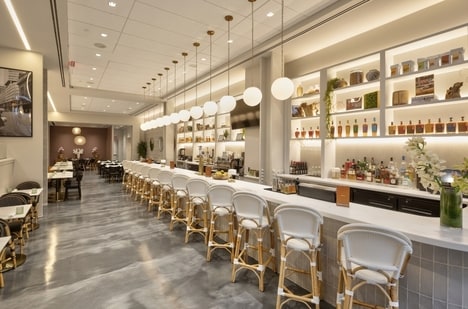
A prototype for new construction is in the works, and discussions are split between that path and conversions. Hilton envisions more than 500 Undergraduate hotels over the next decade to decade-and-a-half, with a simpler food-and-drink setup centered on a coffee-forward market for takeout rather than the fuller restaurant format often tied to Graduate.
For brands, Hilton's two-tier campus play makes college towns easier to enter without committing to Graduate's more custom build. Competing groups now have to answer a model that can slide into existing assets or scale through a prototype.
Image Credit: Hilton
Key Themes Behind This Trend
- Two-tier Campus Hospitality
- Hotel groups are segmenting college-town demand with distinct brand levels, creating room for scalable formats that serve secondary university markets without premium custom builds.
- Conversion-friendly Lodging Models
- Flexible prototypes that work for both existing assets and new construction are reshaping how brands expand into constrained or underserved local markets.
- Coffee-forward Hotel Amenities
- Simplified food-and-beverage concepts centered on takeout and café-style retail signal new efficiencies for limited-service properties near high-traffic community hubs.
Where This Applies
- Hospitality
- Campus-focused lodging concepts introduce repeatable operating models that can broaden market access for owners targeting smaller university towns.
- Real Estate Development
- Adaptable hotel formats create new value in underused properties by making conversions more viable for education-adjacent locations.
- Food and Beverage
- Lean café-market offerings inside hotels point to lower-complexity service models that align with transient guest needs and neighborhood foot traffic.