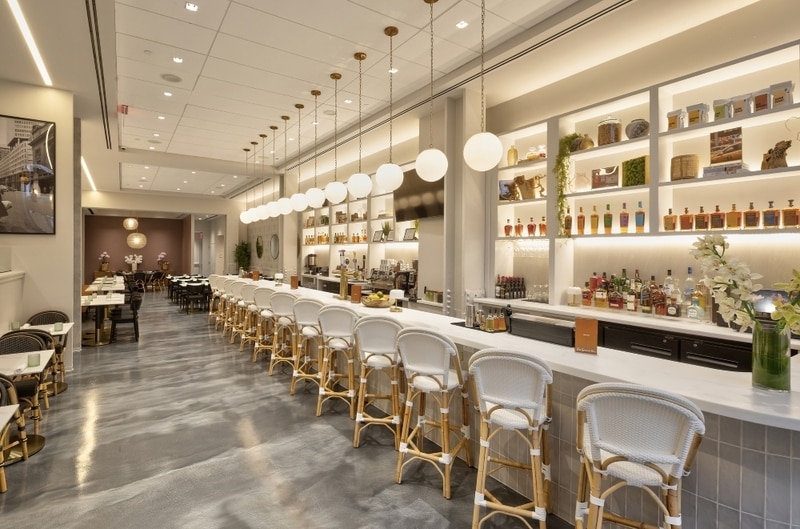
Dual-format dining is changing restaurant expansion by encouraging brands to deploy specialized concepts for different occasions within the same neighborhood. The Granola Bar's Midtown launch pairs a hospitality-focused flagship with a dedicated takeaway location, allowing each venue to optimize its menu, staffing, and service model instead of asking one restaurant to meet every need. The full-service space emphasizes all-day dining and extended visits, while the companion concept is designed for high-volume commuter traffic and quick transactions.
This approach enables operators to capture multiple customer segments without diluting the identity of either format. For restaurant brands entering dense urban markets, purpose-built locations can improve operational efficiency, increase throughput during peak periods, and create additional revenue opportunities. As convenience and experience continue to shape dining habits, specialized multi-format expansion strategies are likely to become a more common growth model.
Image Credit: The Granola Bar
What's Driving This Trend
- Multi-format Restaurants
- Restaurant brands are separating dine-in and takeaway experiences into purpose-built concepts that preserve brand identity while serving distinct customer occasions.
- Commuter-focused Takeaway
- Dense urban traffic patterns are creating demand for high-throughput food formats optimized around speed, portability, and predictable peak-period volume.
- Experience-led Hospitality
- Full-service dining spaces are gaining value as neighborhood destinations where atmosphere, longer visits, and premium service differentiate brands from convenience-first competitors.
Who This Affects Most
- Restaurants
- Operators in competitive city markets can benefit from specialized footprints that improve efficiency, segment demand, and expand revenue without overcomplicating a single venue.
- Commercial Real Estate
- Landlords and developers are seeing new leasing potential from restaurant brands that require complementary spaces tailored to both experiential dining and quick-service traffic.
- Foodservice Technology
- Digital ordering, labor planning, and kitchen workflow systems are becoming more important as brands manage separate service models within concentrated urban markets.