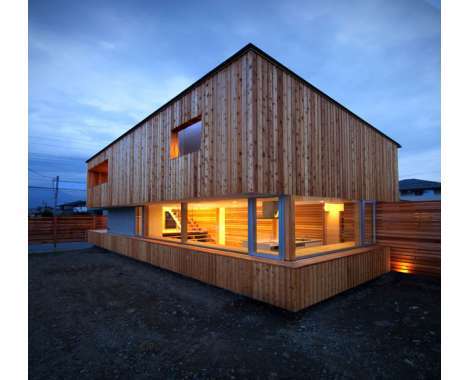
Calgreen is the name given to California’s new mandatory building code regulations. A number of measures including water usage and monitoring, recycling construction materials and HVAC compliance will ensure that greenhouse gas emissions will be reduced 33% by the year 2020.
California has a long history of leading the way in innovation and social change. By mandating compliance with new green building codes, through the Calgreen regulations, California will remove three million metric tons of emissions from the air by 2020. Incentives are also in place to encourage even greener construction on a voluntary basis.
What Makes This Trend Stand Out
- Green Building Codes
- The implementation of green building codes, such as Calgreen in California, presents an opportunity for businesses to develop innovative sustainable building technologies.
- Reduction of Greenhouse Gas Emissions
- Efforts to reduce greenhouse gas emissions, as seen in Calgreen regulations, create opportunities for businesses to develop and offer eco-friendly products and services.
- Voluntary Green Construction
- The push for voluntary green construction, complementing mandatory codes like Calgreen, presents an opportunity for businesses to differentiate themselves by adopting sustainable practices.
Sectors Adopting This
- Construction Industry
- The construction industry has the opportunity to leverage green building codes like Calgreen to adopt sustainable construction practices and offer eco-friendly buildings.
- Renewable Energy Industry
- The renewable energy industry can benefit from the reduction of greenhouse gas emissions through the adoption of green building codes, as it increases the demand for clean energy solutions.
- Sustainable Technology Industry
- The sustainable technology industry has the opportunity to provide innovative solutions and technologies that comply with green building codes like Calgreen, fostering sustainable and eco-friendly development.