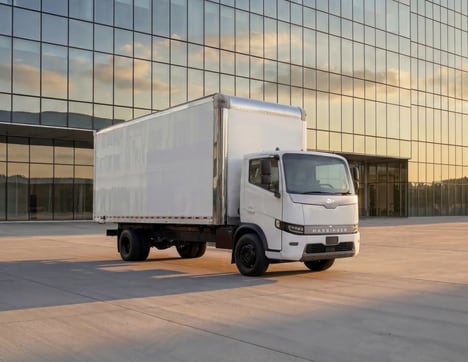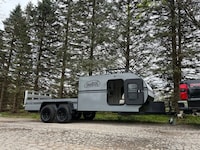

Humble’s cabless freight vehicles introduce a new approach to logistics by removing the traditional driver cabin and relying entirely on autonomous systems. Built with electric powertrains and advanced vision-based AI, these vehicles can navigate complex environments such as ports, warehouses, and railyards while completing dock-to-dock deliveries without human input. The absence of a cab reduces weight, increases payload capacity, and enables more flexible vehicle configurations tailored to different industrial use cases.
From a business standpoint, this model has the potential to significantly reduce operating costs tied to labor, fuel, and maintenance while improving efficiency across supply chains. Logistics providers can benefit from faster turnaround times and more consistent performance, especially in high-demand or labor-constrained markets. As adoption grows, companies may need to rethink fleet design, infrastructure, and workforce strategies to remain competitive in an increasingly automated and electrified freight landscape.
Image Credit: Humble
Key Themes Behind This Trend
- Cabless Autonomous Freight
- By eliminating driver cabins, vehicle designs can prioritize increased payload, modular cargo modules, and reduced energy consumption, reshaping fleet economics and asset utilization.
- Vision-based Navigation
- Advanced camera and AI perception systems create opportunities for low-cost autonomy in structured industrial environments where GPS and lidar are constrained.
- Electrified Payload Optimization
- Integration of electric powertrains with lighter, cab-free chassis points to novel battery placement and thermal management strategies that extend range while maximizing cargo capacity.
Where This Applies
- Ports and Terminals
- Terminal operations could see throughput increases and layout reconfigurations as cabless haulers enable denser stacking and continuous dock-to-dock movements without human shift constraints.
- Warehouse and Intra-logistics
- Internal material flows might be transformed through autonomous electric haulers that perform predictable, high-frequency transfers between docks, racking, and cross-dock areas.
- Rail and Intermodal Freight
- Intermodal yards have the potential for streamlined transfer processes and reduced dwell times by employing cabless vehicles optimized for container handling and precise yard automation.