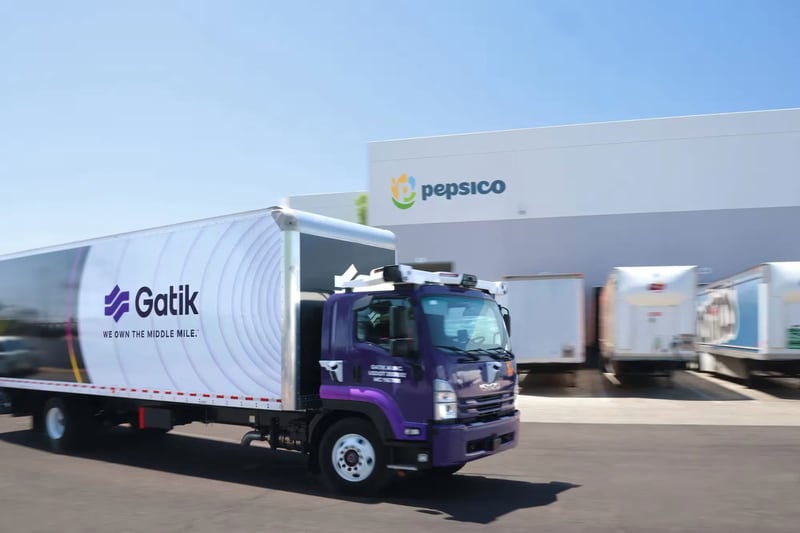
Autonomous supply chains are moving self-driving freight from pilot projects into core logistics operations. PepsiCo’s expanded partnership with Gatik demonstrates how autonomous trucks can be integrated into high-frequency regional delivery routes, enabling products to move more consistently across distribution networks. The technology combines autonomous driving systems with dynamic route management, allowing deliveries to adapt to changing operational demands while maintaining strong on-time performance.
For companies, this development signals a shift toward logistics networks that are more flexible, scalable, and resilient. Autonomous freight can help address driver shortages, reduce transportation bottlenecks, and improve delivery reliability without requiring significant changes to existing infrastructure. The model is particularly valuable for consumer goods companies that depend on predictable, high-volume product movement. As autonomous transportation becomes commercially viable, businesses across retail, manufacturing, and distribution sectors may increasingly view self-driving freight as a strategic tool for strengthening supply chain performance and supporting long-term growth.
Image Credit: PepsiCo
Key Themes Behind This Trend
- Autonomous Freight Scaling
- Self-driving trucks entering routine regional routes create new potential for logistics networks that reduce bottlenecks, improve delivery consistency, and expand without major infrastructure changes.
- Dynamic Route Optimization
- Real-time routing systems paired with autonomous vehicles open opportunities for supply chains that adjust freight movement around demand shifts, congestion, and operational disruptions.
- Driverless Middle-mile Logistics
- High-frequency middle-mile delivery lanes offer a commercially practical setting for automation, especially where predictable routes and recurring freight volumes support reliable performance.
Where This Applies
- Consumer Packaged Goods
- Brands with high-volume replenishment needs can benefit from autonomous regional freight models that strengthen product availability and reduce exposure to driver shortages.
- Retail Distribution
- Large distribution networks are positioned to use self-driving delivery routes as a way to improve store replenishment reliability and support more resilient inventory flows.
- Manufacturing Logistics
- Factories dependent on predictable inbound and outbound shipments gain new possibilities from autonomous freight systems that stabilize material movement across regional supply chains.