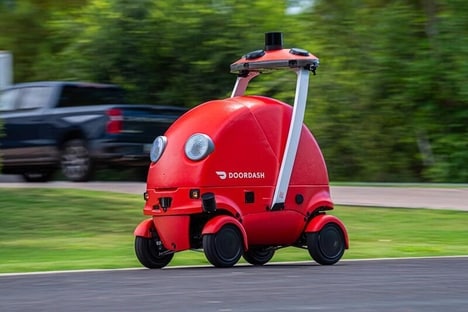
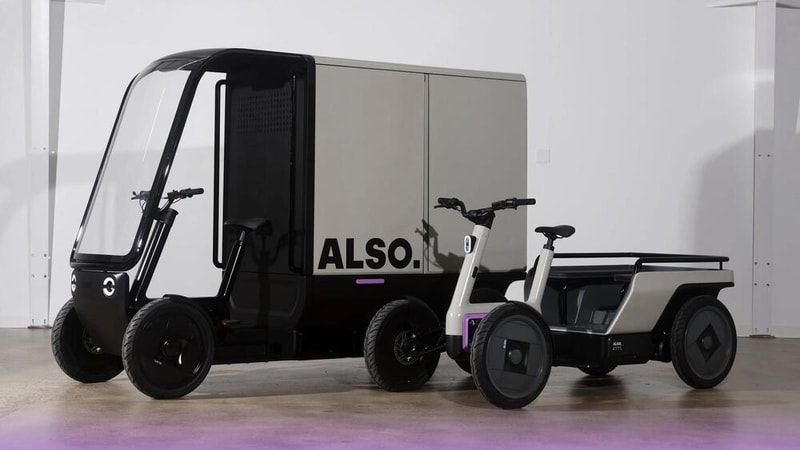
Autonomous delivery electric vehicles are being developed through a new partnership between ALSO and DoorDash to improve last-mile logistics in dense urban environments. The companies are creating compact, pedal-assisted electric vehicles designed to move across roadways, bike lanes and curbside spaces—areas where traditional delivery methods often fall short. Their small size and adaptable design make them well-suited for navigating congestion while maintaining efficiency.
For businesses, this approach could lower delivery costs while improving speed and reliability in high-demand zones. It also creates an opportunity to scale operations with less reliance on gig-based labor. As competitors in food delivery, retail and logistics respond, this model may influence how urban delivery fleets are designed, encouraging a shift toward smaller, more flexible and infrastructure-friendly transportation solutions. This shift may also drive increased investment in specialized urban mobility infrastructure to support these compact fleets.
Image Credit: ALSO
Key Themes Behind This Trend
- Compact Pedal-assisted Evs
- These small, pedal-assisted electric vehicles enable denser fleet deployments that can reduce per-delivery energy and space costs in congested urban corridors.
- Curbside and Micro-routing Optimization
- Advanced routing and curb-management systems designed for narrow roadways and bike lanes promise to increase delivery throughput by optimizing short-distance trips and parking footprints.
- Shift Away From Gig-based Labor
- Automation of last-mile tasks combined with compact vehicles creates potential to replace or significantly reduce reliance on gig workers for frequent, short deliveries.
Where This Applies
- Food Delivery and Quick Commerce
- Adoption of compact autonomous EVs could transform order density economics and margin structures for perishable, high-frequency delivery models.
- Urban Logistics Infrastructure
- Cities and private operators may see value in dedicated micro-mobility lanes, curb zones, and charging hubs tailored to small autonomous delivery fleets.
- Electric Vehicle Manufacturing
- Demand for lightweight, modular chassis and pedal-assist drive systems could drive new product lines focused on urban last-mile utility vehicles.