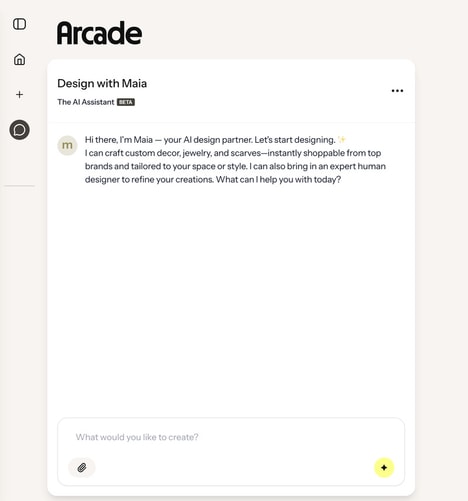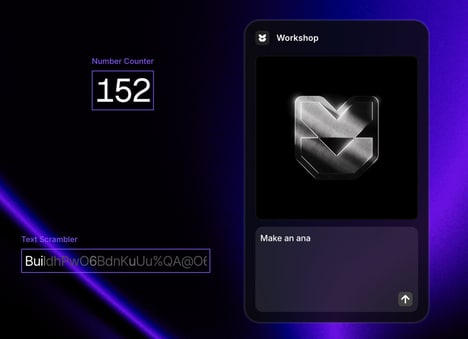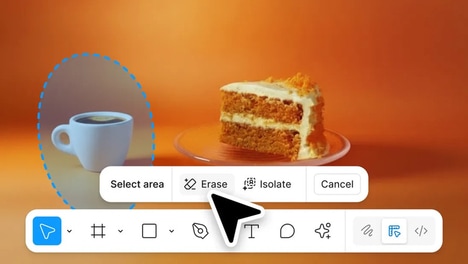
Figma launched a built-in AI assistant inside its multiplayer design canvas, allowing users to generate, edit and iterate on visuals through natural-language prompts. Initially available in Figma Design, the agent uses models fine-tuned for design workflows so it can understand layouts, components and visual context while working directly alongside collaborators in real time.
The assistant can automate repetitive edits, generate design variations and run multiple parallel tasks simultaneously without requiring users to leave the canvas. The release builds on Figma’s growing AI ecosystem, which already includes integrations with Anthropic and OpenAI tools as well as expanded image-editing capabilities and node-based workflow technology from its Weavy acquisition.
For designers and product teams, the feature reduces manual production work and accelerates prototyping, enabling users to focus more on creative direction and user experience. The rollout reflects a broader shift toward AI-assisted design environments that blend collaborative creation, automation and code-aware workflows into a single interface.
Image Credit: Shutterstock/Robert Way
What's Driving This Trend
- Real-time Collaborative AI Agents
- Embedded AI collaborators that operate within live design canvases enable simultaneous co-creation and reduce context switching across distributed teams.
- Design-aware Generative Models
- Models fine-tuned for visual context and component hierarchies produce coherent layout variations and context-sensitive edits that align with product systems.
- Node-based AI Workflow Integration
- Combining node-based editors with AI primitives allows parallelized task execution and reusable automation chains inside a single design environment.
Who This Affects Most
- Software Design Platforms
- Platforms that integrate multiplayer AI assistants could offer differentiated value by streamlining prototyping, handoff and iteration across designers and engineers.
- Advertising and Creative Agencies
- Agencies stand to access faster concept exploration and high-volume variant generation that preserves brand systems while accelerating campaign turnaround.
- Product Development and Prototyping Tools
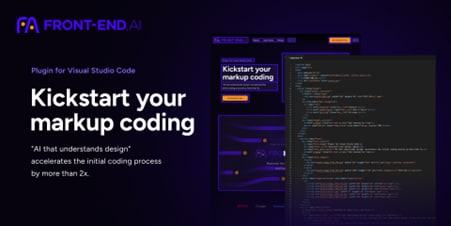
- Tools focused on end-to-end product development may leverage code-aware AI to bridge visual design and implementation, reducing friction between design and engineering.