

Because pain, blood and finger-pricking are all part of the process of performing a traditional blood sugar test, many diabetics find ways to avoid these invasive procedures that are required several times throughout the day. In light of this, many researchers are seeking non-invasive ways to help patients check their glucose levels.
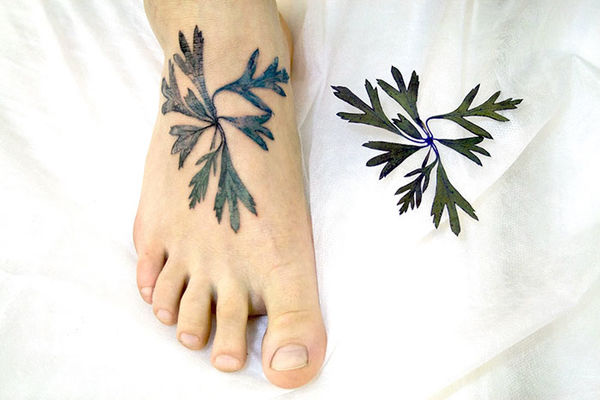
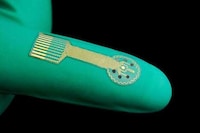
Working with colleagues, Amay Bandodkar, a nanoengineer at the University of California at San Diego, developed a flexible electronic "tattoo" that is capable of sticking onto the skin. Rather than involving needles, this tattoo-inspired patch would rest on top of the wearer's skin and send a mild electrical current to pick up on blood sugar levels. This smart sensor actually sits atop temporary tattoo paper, along with electrodes made from silver, silver chloride ink and a tiny blood glucose sensor.
During tests, the researchers have found that this device works just as well as a traditional finger-stick monitors.
Why This Trend Is Growing
- Non-invasive Glucose Monitoring
- There is an opportunity to develop non-invasive wearable technology that can monitor glucose levels for diabetics, without the need for needles.
- Flexible Electronic Wearables
- Flexible electronic wearables, such as the diabetic-monitoring tattoo, have the potential to become a popular alternative to traditional medical devices.
- Smart Sensors and Temporary Tattoo Paper
- Advancements in smart sensors and temporary tattoo paper can lead to the development of other medical devices that are more comfortable and less invasive for patients.
Industries Being Reshaped
- Healthcare
- The healthcare industry can invest in developing innovative wearable medical devices that can improve the patient experience.
- Nanotechnology
- Nanotechnology can be utilized to create highly sensitive and flexible sensors that can be used in a wide range of medical applications.
- Wearable Technology
- The wearable technology industry can explore opportunities to integrate flexible electronic wearables with other health monitoring tools and devices.